As daily use surges and addiction rises, even longtime supporters say the country went too far without proper regulation.
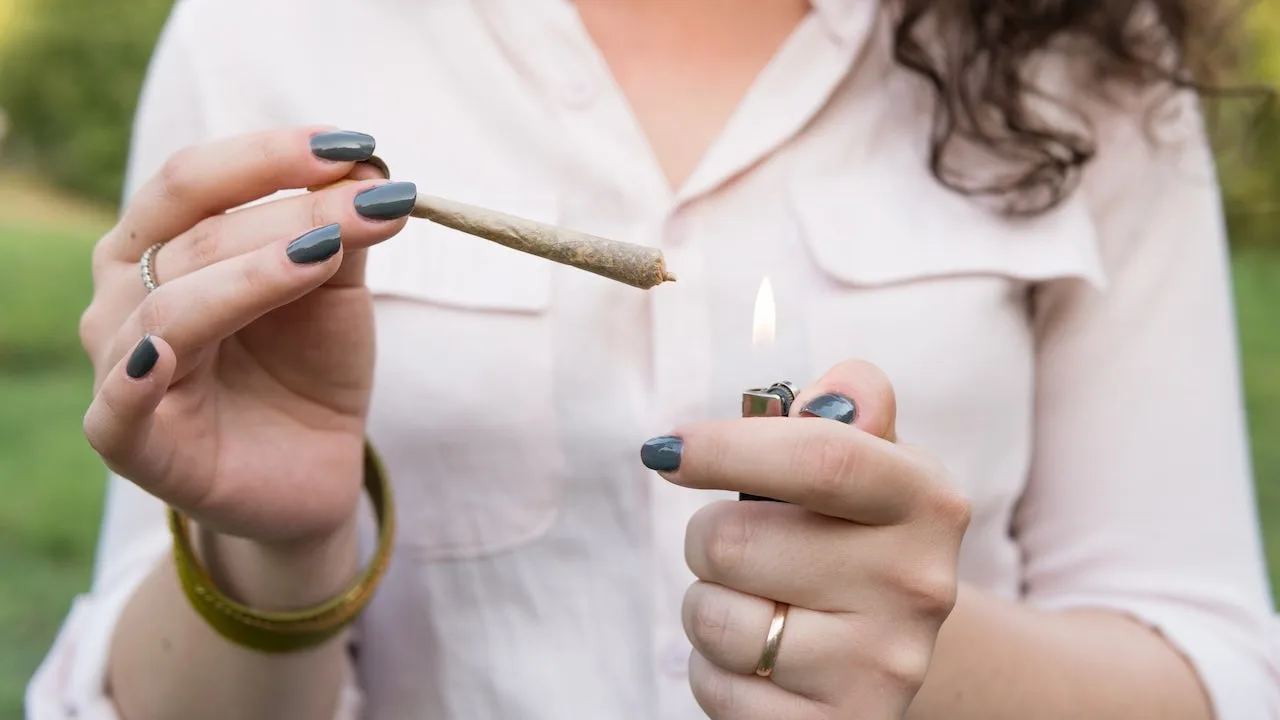
For more than a decade, marijuana legalization has expanded rapidly across the United States. Today, most Americans live in a state where recreational cannabis is legal, and federal restrictions were recently loosened under President Donald Trump.
But a growing body of evidence suggests legalization may have produced consequences many supporters underestimated.
Recent surveys indicate that roughly 18 million Americans now use marijuana almost daily — up dramatically from about six million in 2012. In fact, more Americans report daily marijuana use than daily alcohol consumption.
With increased use has come increased harm. Medical professionals report rising cases of cannabinoid hyperemesis syndrome, a condition that causes severe vomiting and abdominal pain. Hospital visits related to marijuana-linked paranoia and psychotic disorders have also climbed.
The concern isn’t about occasional use. Many adults consume cannabis responsibly, just as they drink wine or smoke cigars. The deeper issue is heavy use — and the powerful commercial incentives behind it.
The legal cannabis industry generated more than $30 billion in U.S. sales in 2024. Critics argue that “Big Weed,” much like alcohol and tobacco industries before it, profits disproportionately from frequent users. Some companies have marketed highly potent THC products — up to 90 percent concentration — far stronger than marijuana sold decades ago.
Policy experts are now calling for a shift toward what scholar Mark Kleiman once described as “grudging toleration”: keeping marijuana legal while imposing stronger guardrails.
Proposed measures include:
- Federal and state taxes high enough to discourage excessive use
- Caps on THC potency levels
- Stricter enforcement against unsupported medical claims
- Federal standards to prevent regulatory “race to the bottom” across states
Supporters of reform argue this is not a return to prohibition. The war on marijuana brought disproportionate arrests and long-term consequences for Black, Latino and low-income communities. But they say legalization without serious regulation has created new public health risks.
The larger debate now confronting lawmakers is whether America can strike a sustainable balance between personal freedom and public health — or whether the country moved too quickly in embracing commercial legalization.