A mother’s account of how America’s mental health system abandons the severely ill — and the families who love them.
My husband and I adopted our son, Abraham, as a toddler, believing we could give him a safe and meaningful life. Abi, as we called him, was bright and curious, a kind and popular teenager who excelled in school and earned a scholarship to the University of Michigan. Then, during his final year of high school, something changed in ways we could not understand.
Abi began tearing family photos from the walls and burning them in what he called a “death ritual.” He declared himself a prophet of God. He stole our cars. Two of our other children were still living at home, and every morning we woke up afraid of what we might find. He was eventually diagnosed with schizophrenia. Like many people with the illness, he could not recognize that he was sick. No psychiatric care, no police intervention and no pleading from us could convince him he needed help.
When Abi turned 18, he became an adult in the eyes of the state. Overnight, we lost any real ability to protect him.
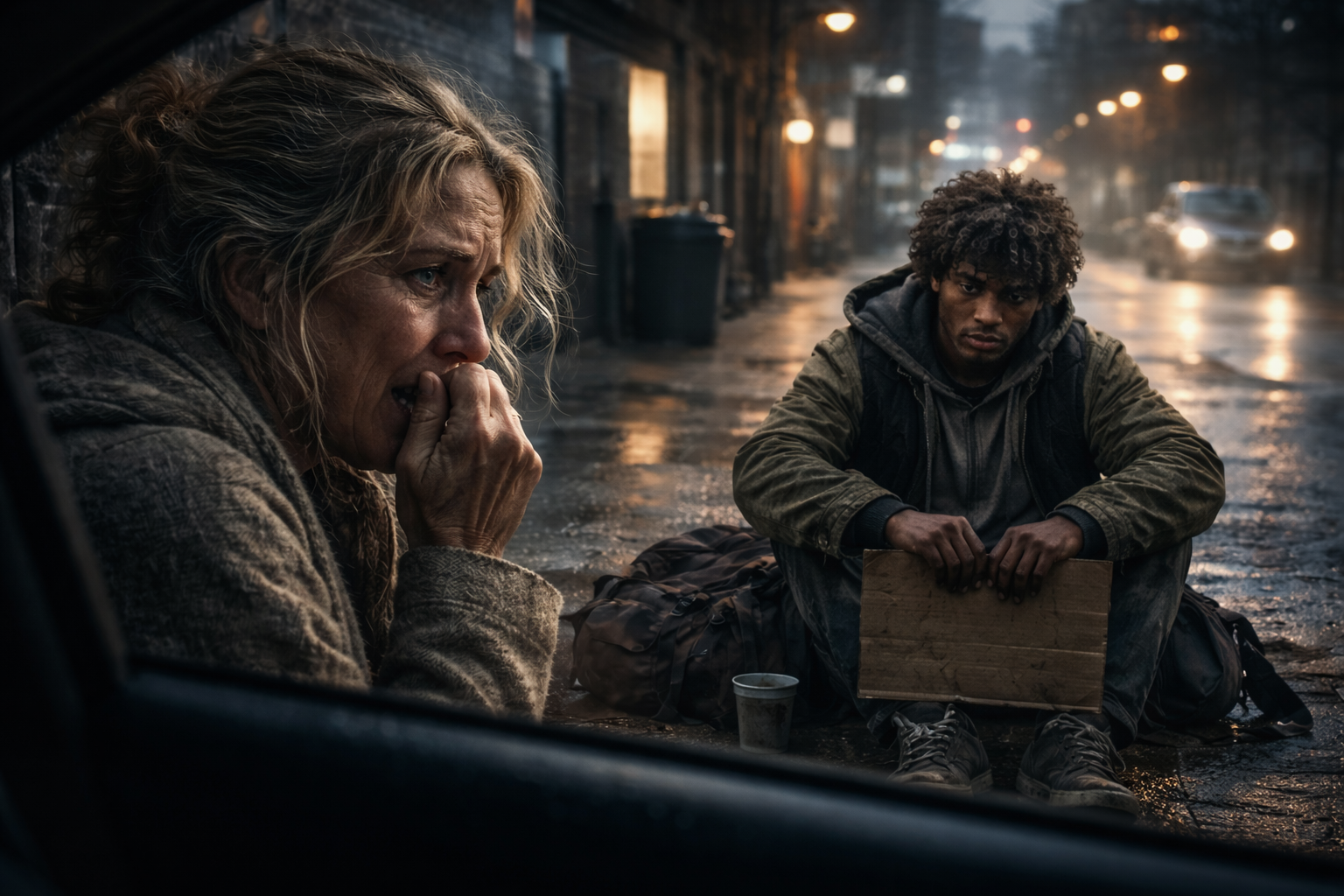
Three years later, our son drifts between parking garages and homeless shelters, panhandling for spare change. He refuses to come home. He won’t even stop by for food or medicine. Every few months, his condition deteriorates and he is hospitalized. Doctors sedate him just enough to calm him, declare him “stable” and “not a danger to himself or others,” and release him back onto the streets — sometimes in the dead of winter, without shoes or a jacket.
This is not anonymous urban homelessness. It unfolds in full view of Abi’s childhood friends, former teachers and soccer coaches. They don’t know how to help him any more than we do.
At my lowest point, I found myself wishing he had cancer.
I know how awful that sounds. I am a psychotherapist. I have sat with families facing devastating diagnoses. I lost my own niece to a brain-stem tumor. I understand the terror and grief of cancer. But I have also seen how people respond to it: with urgency, compassion and sustained care. There are teams, plans and people who take responsibility.
There is no such response for people like my son. There is no bell rung to mark survival through another brutal winter of untreated mental illness and homelessness.
Since January 2024, Abi has been taken to hospital emergency rooms at least 20 times. Sometimes we make it in time to see him. He may be briefly lucid, medicated just enough to speak calmly. Then he is discharged — with prescriptions he cannot fill, appointments he cannot organize and instructions he cannot follow. We lose him again.
At our last visit, he looked at us with confusion and said, “I don’t know where to go. I don’t have a way to get to the pharmacy. I don’t even have a wallet.”
When I questioned a social worker about his unsafe discharge plan, I was met with a shrug. “Ma’am, I know how you feel, but there is nothing we can do.”
HIPAA rules deepen the cruelty. Doctors refuse to speak with us in the name of protecting Abi’s privacy, even when his illness makes it impossible for him to manage his own care. Courts issue summonses for minor offenses he cannot understand or respond to. Police tell us to route our pleas through attorneys. Bureaucracy replaces basic humanity.
Occasionally, kindness comes from those with the least power. Immigrant shop owners offer him food or clothing. Some tell me, with disbelief, that he would receive better support in Ethiopia, where we adopted him.
We brought our son to America believing this country would keep him safe. Instead, our systems repeatedly release him into danger because, on paper, he has rights — rights that do not secure treatment, protection or dignity. As one psychiatrist told us bluntly, my son may “die with his rights on.”
We do not need to return to the abusive asylums of the past. But the pendulum has swung so far toward autonomy that “do no harm” has lost its meaning. When someone is so ill that he cannot keep himself alive, it should be possible to intervene. And once intervention happens, it should lead to real, sustained care — not a revolving door designed to satisfy insurance metrics.
Being left to die on the street is not freedom.
I want schizophrenia to be treated with the seriousness of any life-threatening illness. I want doctors empowered to pursue long-term care, social workers who can act, police officers who do not shrug and discharge plans that lift people up instead of casting them out.
More than anything, I want my son’s life to be treated as though it is worth saving.