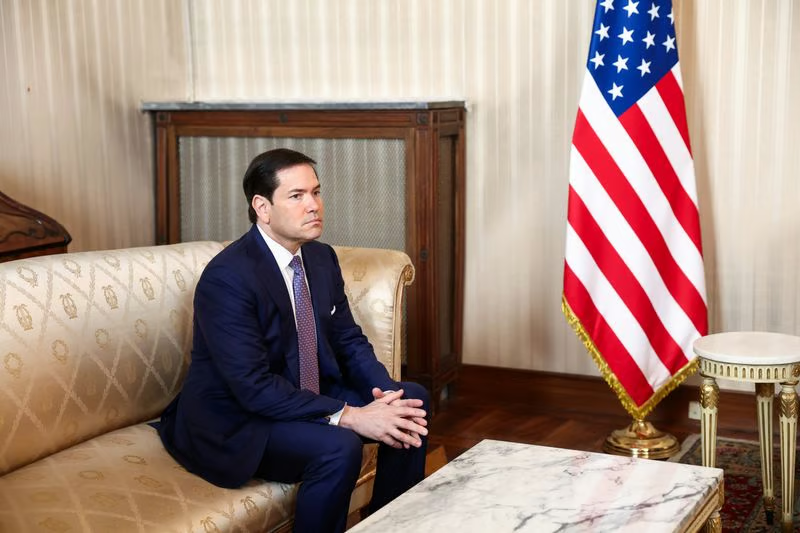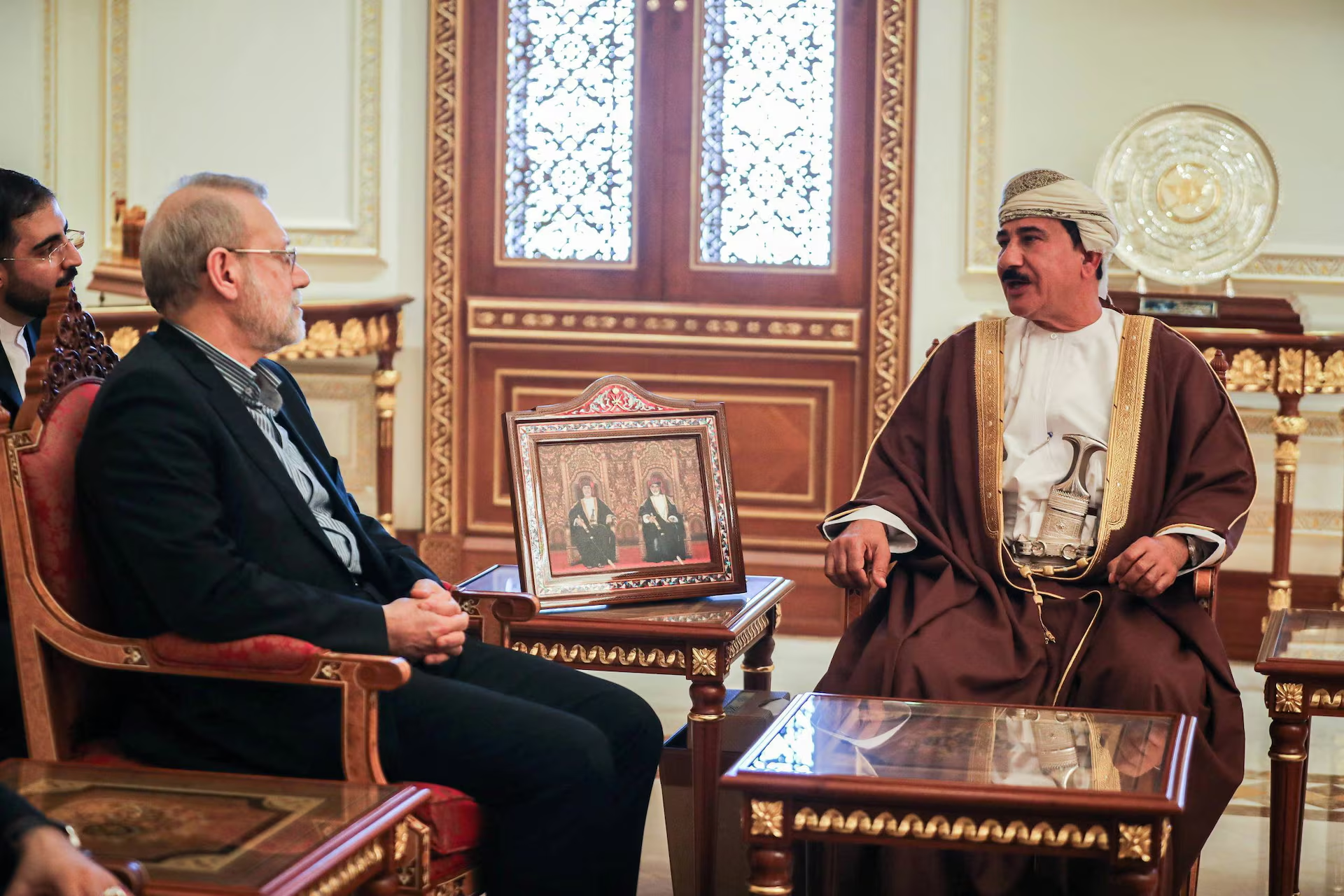
A discreet visit signals movement in long-stalled negotiations — and raises questions about what Washington and Tehran are trying to prevent.
A senior Iranian security adviser has quietly arrived in Oman, signaling renewed momentum in behind-the-scenes dialogue between Iran and the United States.
The visit comes as both sides explore ways to reduce regional tensions and avoid a broader military confrontation, according to officials familiar with the discussions. While the talks remain indirect, Oman has once again emerged as the central diplomatic bridge — hosting meetings and facilitating communication channels that neither Washington nor Tehran publicly acknowledge in detail.
Oman’s role is not new. The Gulf state has long served as a trusted intermediary in sensitive U.S.–Iran negotiations, including previous nuclear-related discussions and recent diplomatic exchanges held in Muscat.
Analysts say the presence of a high-ranking Iranian adviser suggests the talks may be moving beyond exploratory signals toward more substantive engagement, even as public rhetoric from both governments remains cautious.
For U.S. policymakers, the stakes are high. Progress in Oman could help stabilize flashpoints across the Middle East, while failure risks escalating conflicts involving regional allies, energy markets, and global security.
For now, official details remain scarce — but the message is clear:
something is moving, quietly, and both sides appear determined to keep it that way.