Senior US and Iranian officials are in Oman for talks amid a crisis that has raised fears of a military confrontation between the two countries.
The discussions come after a US military build-up in the Middle East in response to Iran’s violent repression of nationwide anti-government protests last month, that human rights groups say killed many thousands of people.
But the scope of the talks, which are believed to be indirect, remained unclear, with both countries far apart in their positions amid mutual mistrust.
The hope was that, if successful, the discussions could lead to a framework for negotiations.
The US, which is demanding Iran freezes its nuclear programme and discards its stockpile of enriched uranium, had said the talks in Oman should also involve Iran’s ballistic missiles, the country’s support for regional armed groups and its treatment of its citizens.
Iran, however, has said the discussions will be limited to its nuclear programme, and it is unclear if these differences have been resolved.
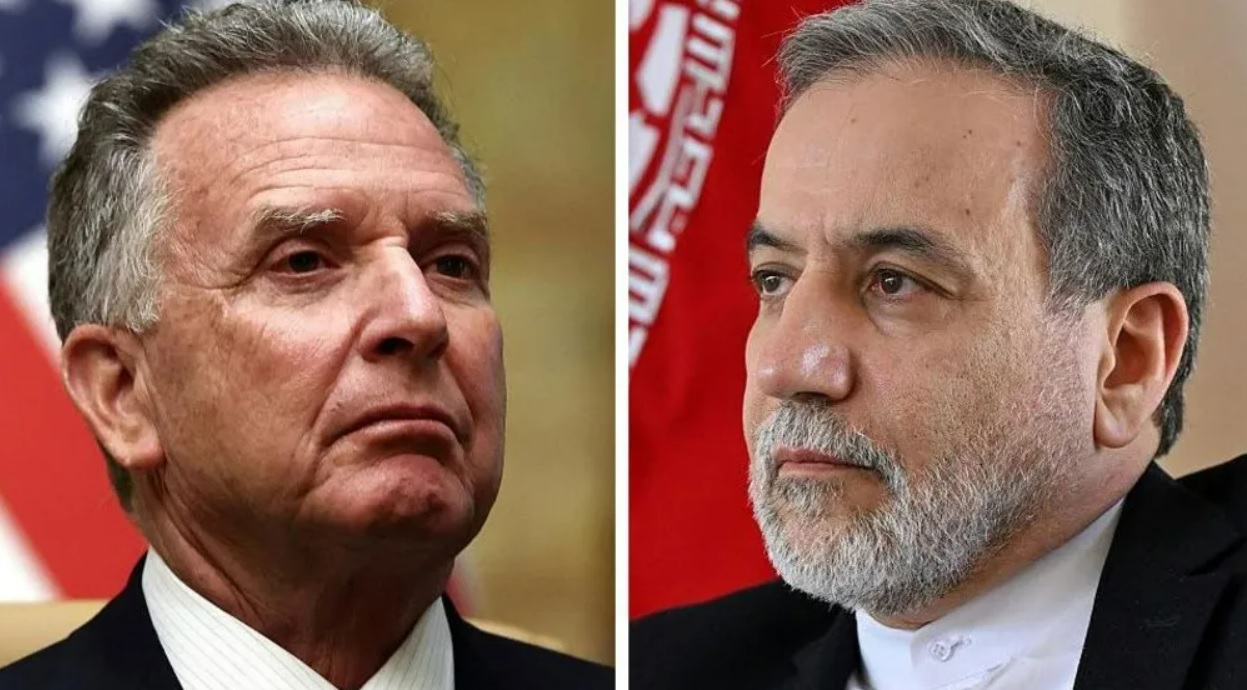
Oman said its foreign minister had held separate discussions with Iranian Foreign Minister Abbas Araghchi and US special envoy Steve Witkoff and President Trump’s son-in-law and emissary Jared Kushner on Friday morning.
It said the “consultations focused on preparing the appropriate conditions for resuming diplomatic and technical negotiations”. The last round of talks between the US and Iran, over its nuclear programme, had been scheduled for June 2025 but collapsed after Israel’s surprise attack on Iran.
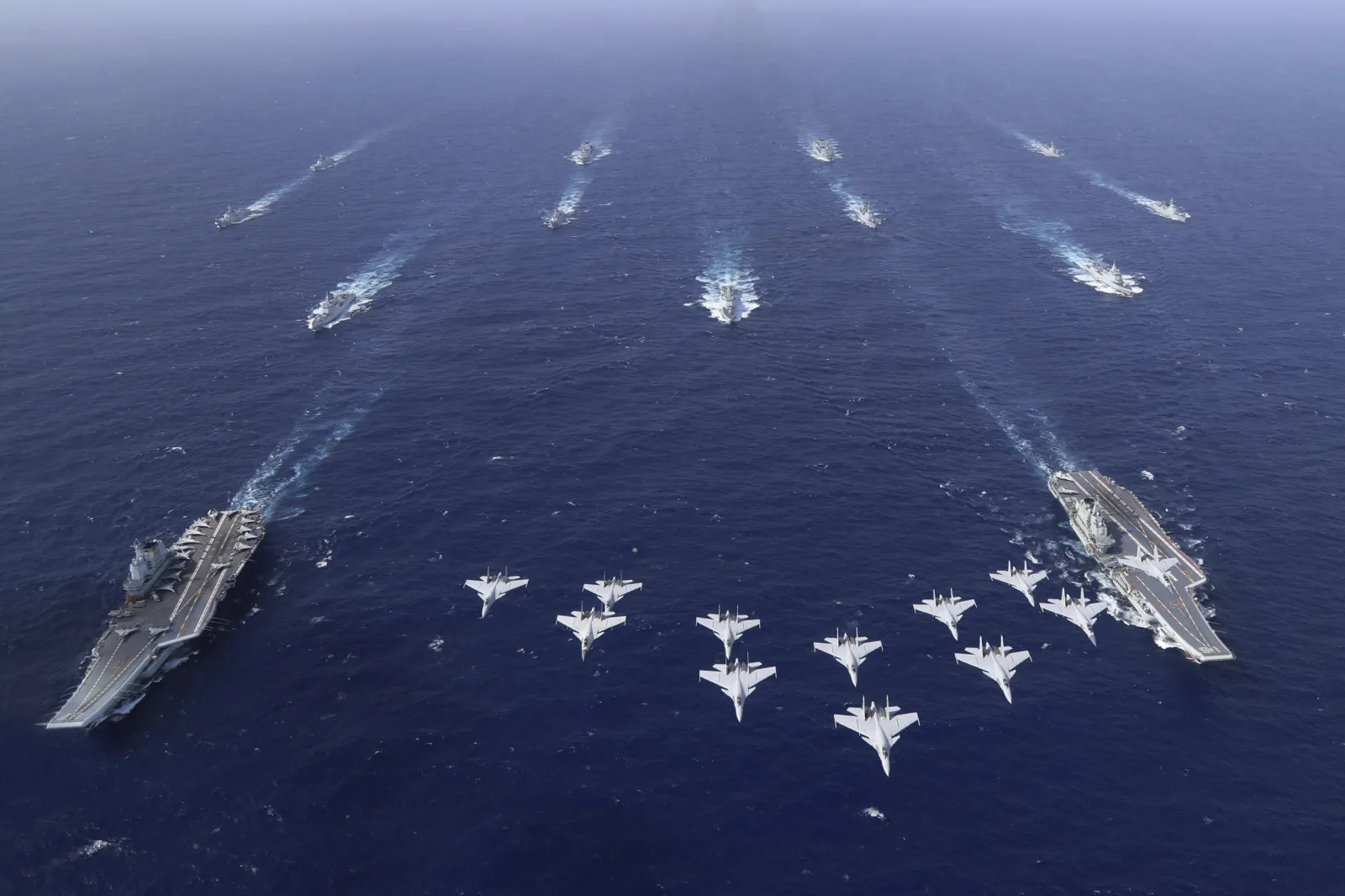
In recent weeks, Trump has threatened to bomb Iran if it does not reach a deal. The US has sent thousands of troops and what Trump has described as an “armada” to the region, including an aircraft carrier along with other warships as well as fighter jets.
Iran has vowed to respond to an attack with force, threatening to strike American military assets in the Middle East and Israel.
For Iran’s embattled leaders, the talks could be the last chance to avert US military action that could further destabilise the regime, which analysts say is in its weakest position since it came to power following the 1979 Islamic Revolution.
Trump’s threats came as Iran’s security forces brutally repressed large-scale demonstrations, which were triggered by a deepening economic crisis, and saw protesters calling for the end of the Islamic Republic.