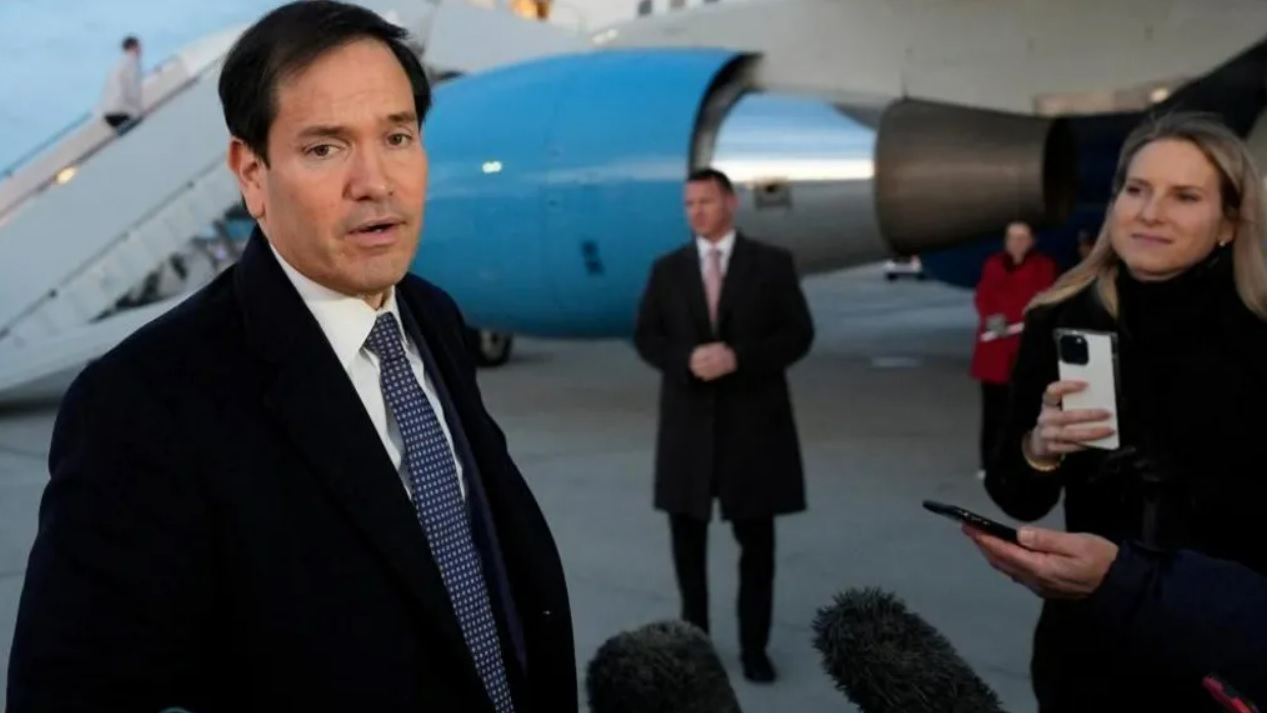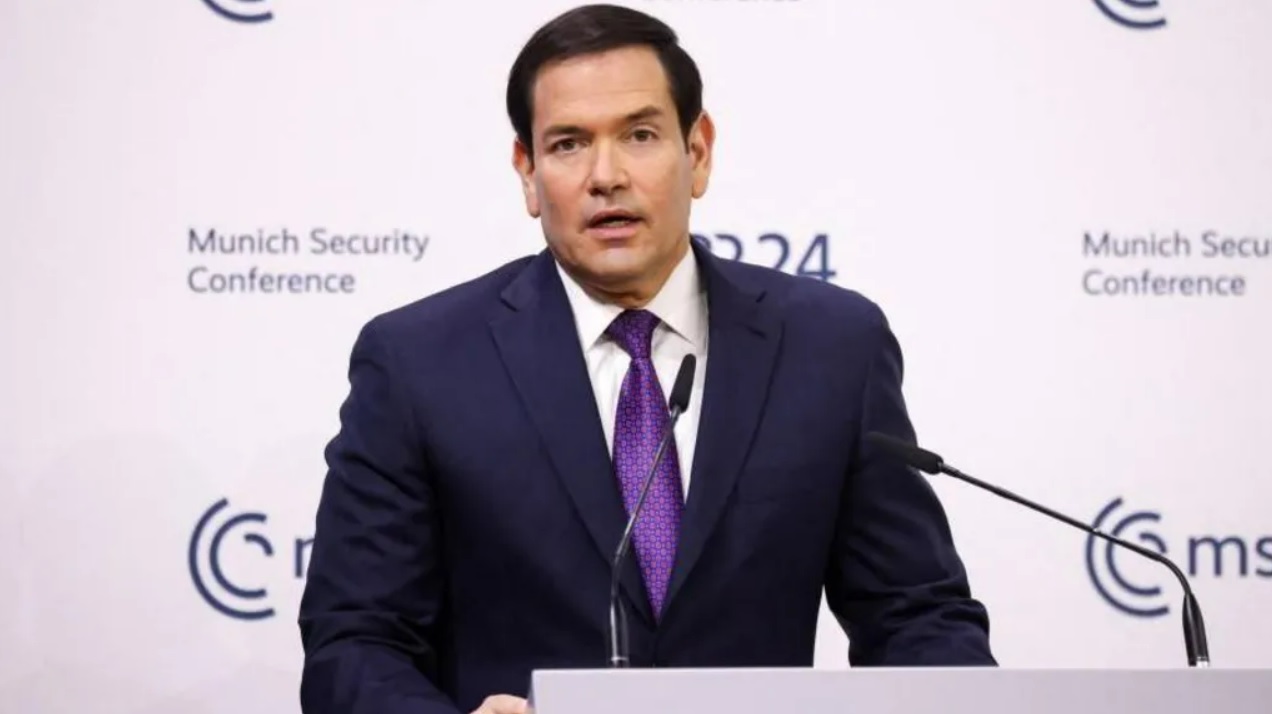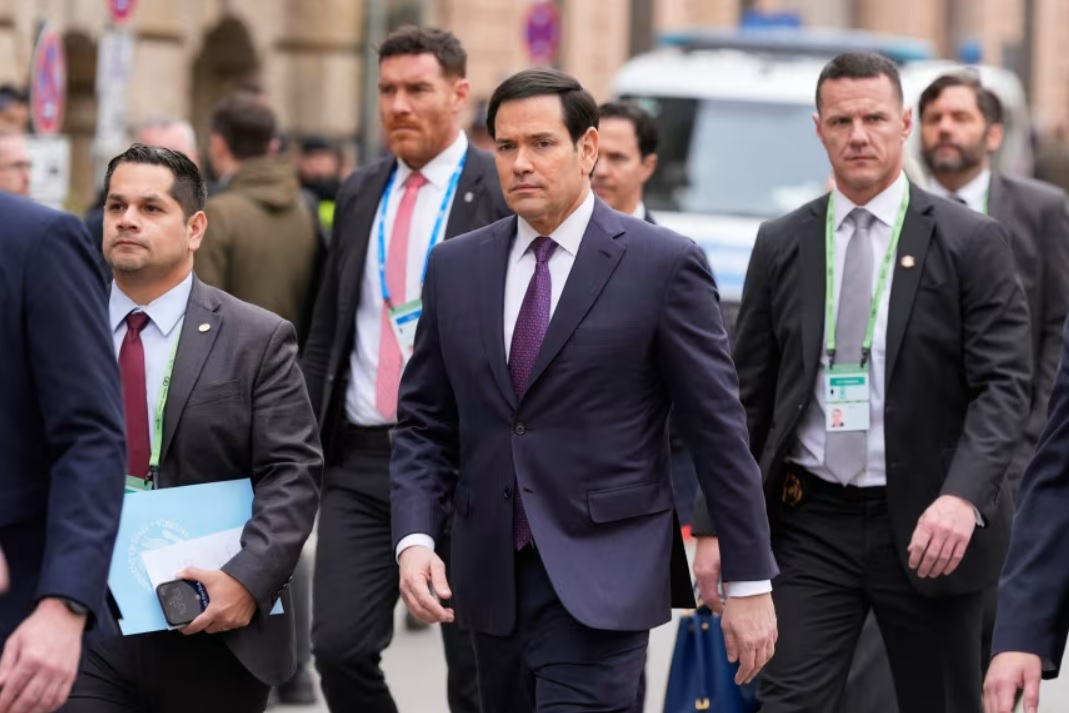
The febrile applause US Secretary of State Marco Rubio received at the Munich Security Conference when he said the US was Europe’s “child” and their fates would always be “intertwined” belied his stark policy message. These were claps of relief and encouragement from a European audience bracing for a mauling like JD Vance’s onslaught last year.
But Vance’s false accusations at last year’s conference – that Europe is suppressing freedom of speech and democracy, and facing civilizational decline – are now enshrined in US national security strategy. Rubio did not have to do much to sound friendly.
The United States is prepared to “rebuild” but only according to its values, Rubio said this year, while relentlessly evoking America’s historical links to the continent. Those values include embracing Christianity and a shared cultural heritage, closing borders, and dropping climate crisis policies. The US needs to see a reformed Europe, he told decades-long allies – not just details of defense budgets, but a sea change in the continent’s value system.
Europe and the US “belong together,” he also said. But in this couples’ therapy stage of an abusive relationship in decline, the message was clear: change or be dumped.
Conference organizers had warned that the world was in an era of “wrecking ball politics” that had left Europe on the sidelines, in a report published right before the conference. Now Rubio was telling liberal centrist foreign leaders that their entire outlook was wrong, echoing the far-right populist opponents who might well unseat them in upcoming elections.
The top US diplomat’s speechwriters left no room for earlier arguments from key allies on the same Munich stage. A day prior, German Chancellor Friedrich Merz said MAGA’s culture wars were not ones Europe needed to fight. Emmanuel Macron equated territorial sovereignty with the rights of the French to police their own misinformation and democracy.
Two hours later, Ukraine’s urgent plight – the defining security crisis of Europe’s post-WW2 era – was passionately portrayed by President Volodymyr Zelensky, evoking the issue that should have been center stage breaking through the MAGA noise. A leader whose fourth appearance at the conference provided a startling reminder of Ukraine’s boundless ability to survive and adapt to Russia’s brutality, made the most powerful case at the summit for Europe having its own defense strategy.
Zelensky reminded the audience that every Ukrainian power plant had been hit, and that every kilometer Russia seized cost them 156 lives, by Ukraine’s count. He spoke in English, in a tone that suggested he was less bothered about upsetting US President Donald Trump. He bemoaned the spirit of a peace process that seemed to put pressure for concessions on Ukraine – the four-year-long victim of an invasion – rather than on the aggressor Russia. He also mocked what Moscow has dubbed the “Anchorage spirit” – a term designed to suggest Putin and Trump made a secret deal when they met in Alaska last year.
As Zelensky spoke, video footage played on the wall behind him showing new Ukrainian technology taking out Russian drones – harsh reality contrasting with the policy wonkery in the room. He brought a purpose and urgency somewhat lacking in the beleaguered European leaders who preceded him.
It almost served to emphasize Rubio’s point: Europe needs to shape up. His audience perhaps would prefer to replicate Ukraine’s energy and resolve, rather than Hungary’s.
Overall, European leaders’ positive reception of Rubio’s speech reflected how horrifically damaged the transatlantic relationship has been by the past year of turmoil over Ukraine, and month of arson over Greenland.