The Islamic holy month of Ramadan is right around the corner, and Basim Sabri is determined to maintain the annual tradition of hosting a Ramadan feast for the Twin Cities community at Karmel Mall – which he has owned for more than two decades – especially in the aftermath of the ongoing federal immigration crackdown.
“I’m not just a landlord, I’m also a very involved person within the community,” Sabri told CNN. “I see the fear, the depression with many tenants, and the anger that this is happening to them.”
Hundreds attend the annual gathering, according to Sabri. And given Karmel Mall’s cultural and economic status within Minneapolis’ Muslim community, particularly its Somali population, he said he believes this year’s feast – or iftar – is practically a self-assigned duty to help the community recover spiritually and boost its morale during the holy month.
Ramadan is the ninth month of the Islamic calendar. During its approximately 30 days, which start Wednesday in North America, Muslims abstain from food and drinks from dawn until sunset. Ramadan also holds profound spiritual and social significance: It is celebrated as an opportune occasion for observers to congregate to break their fast, pray and practice countless forms of communal support.
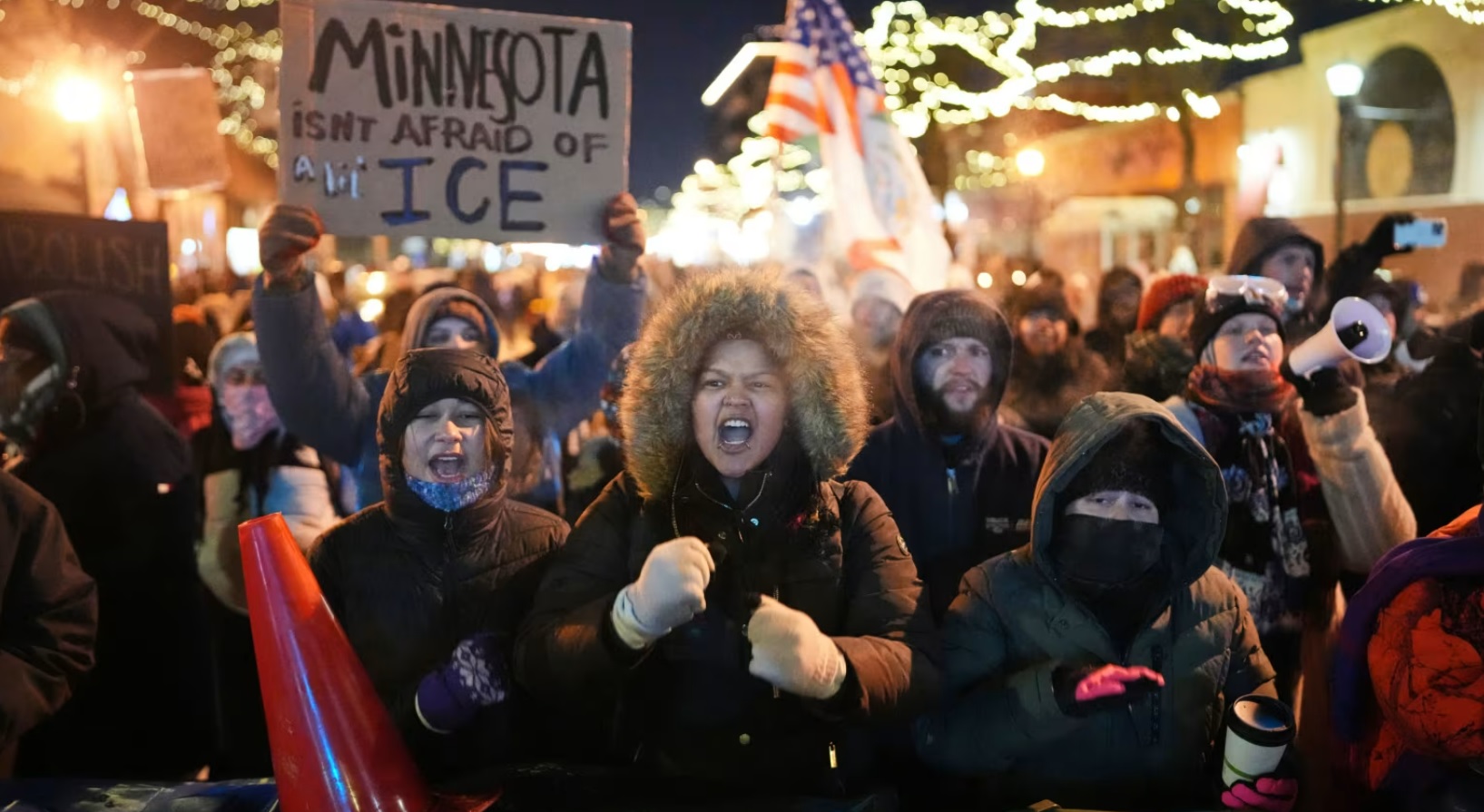
However, in the aftermath of Operation Metro Surge, launched by the Trump administration in December with the ostensible purpose of apprehending and deporting undocumented immigrants in Minnesota, the mere notion of congregating is putting a lot of Muslims in the Twin Cities on edge.
“It’s been a very difficult time,” said Khalid Omar, a community organizer and a leader at Dar Al-Farooq Islamic Center. “You can only imagine the weight of the full government being utilized in the state, going against and going after the Somali and Muslim community.”
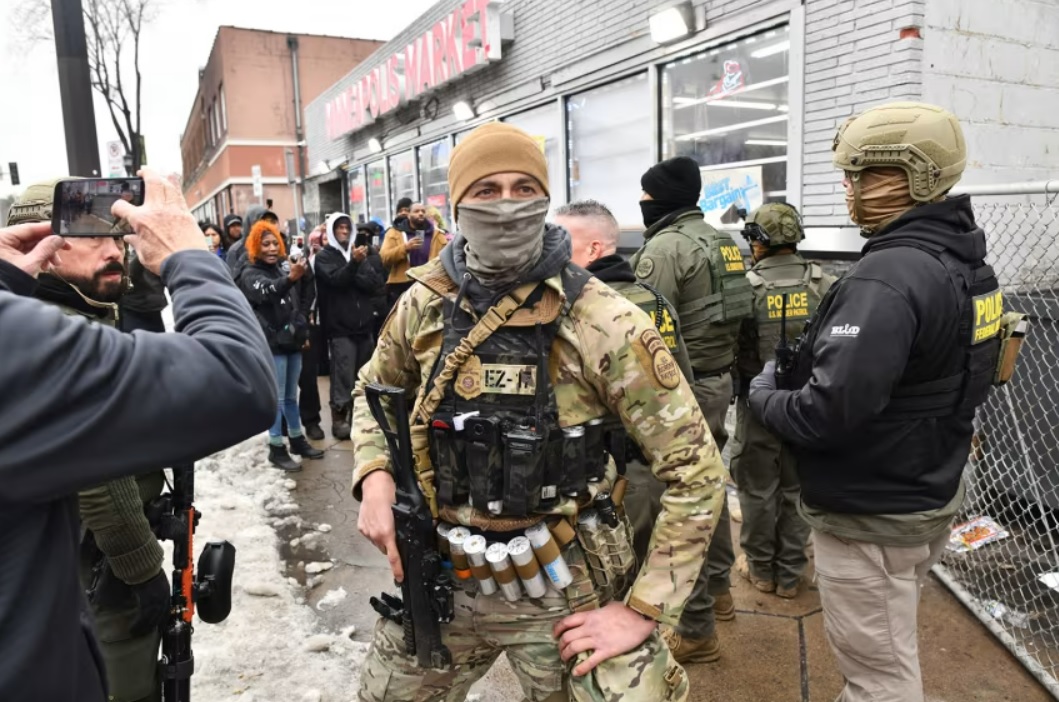
At the peak of Operation Metro Surge, about 3,000 immigration officers descended on the North Star State. Federal agents arrested more than 4,000 undocumented immigrants from the beginning of the operation on December 1 through February 4, according to the Department of Homeland Security. The operation also resulted in the killing of two US citizens, the deployment of aggressive tactics by armed, masked DHS agents, and a soaring sense of trepidation permeating Minnesota’s immigrant communities.
Muslims in Minneapolis, estimated now to be more than 100,000, have lived in the city for well over a century, and the city has embraced them. In 2006, Minneapolis elected the first Muslim US congressman, and in 2023, it became the first major US city to allow the broadcasting of the Islamic call to prayer five times a day, year-round.
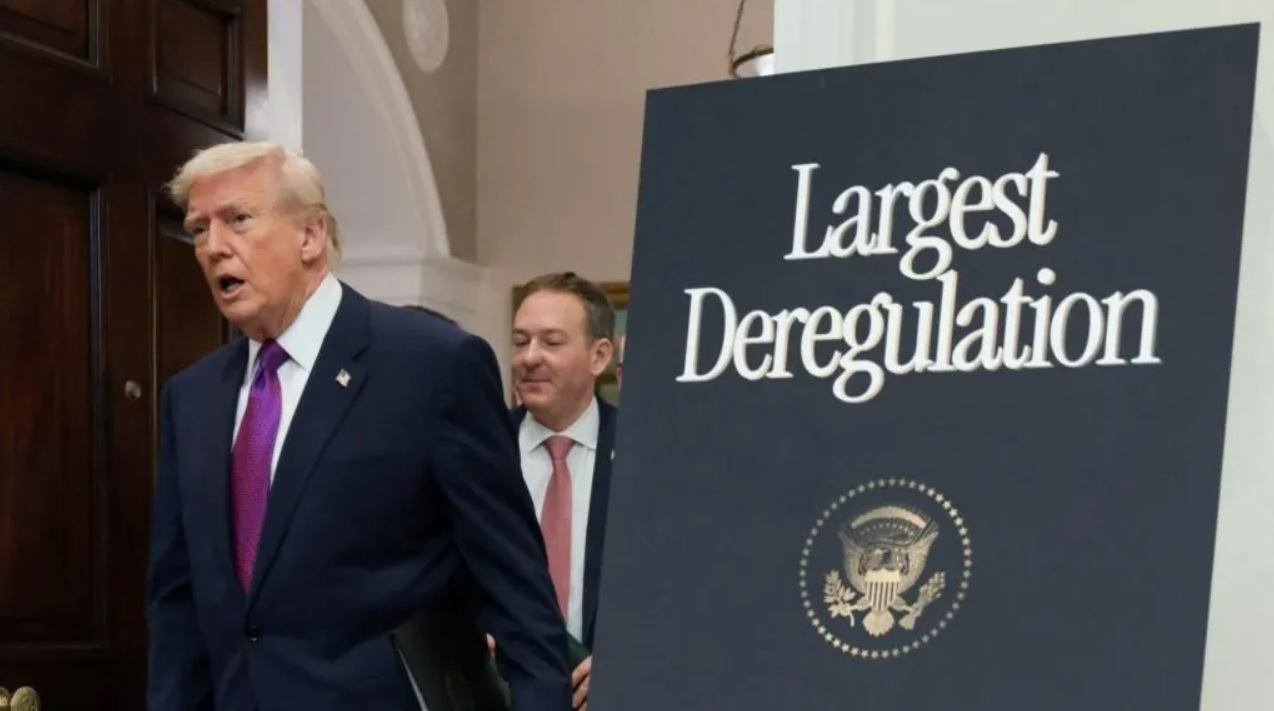
However, the recent federal aggression, fueled by President Donald Trump’s vitriol calling Minnesota’s Somali community “garbage,” has seemingly soured that sense of embrace.
“I’m a very proud Muslim … and extremely proud to be a Minnesotan,” said Sabri, who is Palestinian American. “We’re very fortunate to be in Minnesota, and very fortunate to be in America, and Trump is trying to make it difficult for people to even think that they are American.”
Many members of the Muslim community, particularly Somalis, reported an unprecedented disruption to daily life since the start of Operation Metro Surge. Fear of stepping out of their houses, going to work, grocery shopping and even practicing their religion. Foot traffic at restaurants, shops and mosques sharply declined, turning once-lively economic and social hubs into ghost towns, and threatening to cripple the livelihood of an entire community.
“Forty percent of our sales, if not more, were impacted,” said Mohamed Hagi, co-owner of four Minneapolis-area locations of Qamaria, a Yemeni coffee shop chain.
The 30-year-old Somali American, who also co-owns a Mediterranean restaurant in the same area experiencing similar economic tribulations, described his coffee shops as local melting pots for Muslims and non-Muslims, East Africans and White people. However, during the federal crackdown, they were practically empty.
Despite the bleak reality felt by many Muslims during Operation Metro Surge, they express hope that Ramadan will carry winds of change for the reeling community. They feel it’s perhaps heaven-sent that the start of Ramadan follows Trump’s border czar Tom Homan announcing the monthslong Minnesota operation would be ending, and many are cautiously optimistic.
“This is the time when we need to lean into our faith more,” said Omar. “Make dua (prayer) for the people that are suffering, the people that felt this atrocity.”