Nationwide protests are brewing as critics warn the pact could hurt local agriculture — and strain relations with Washington.
A newly announced trade agreement between the United States and India is already facing serious backlash — not in Washington, but across India’s farmlands.
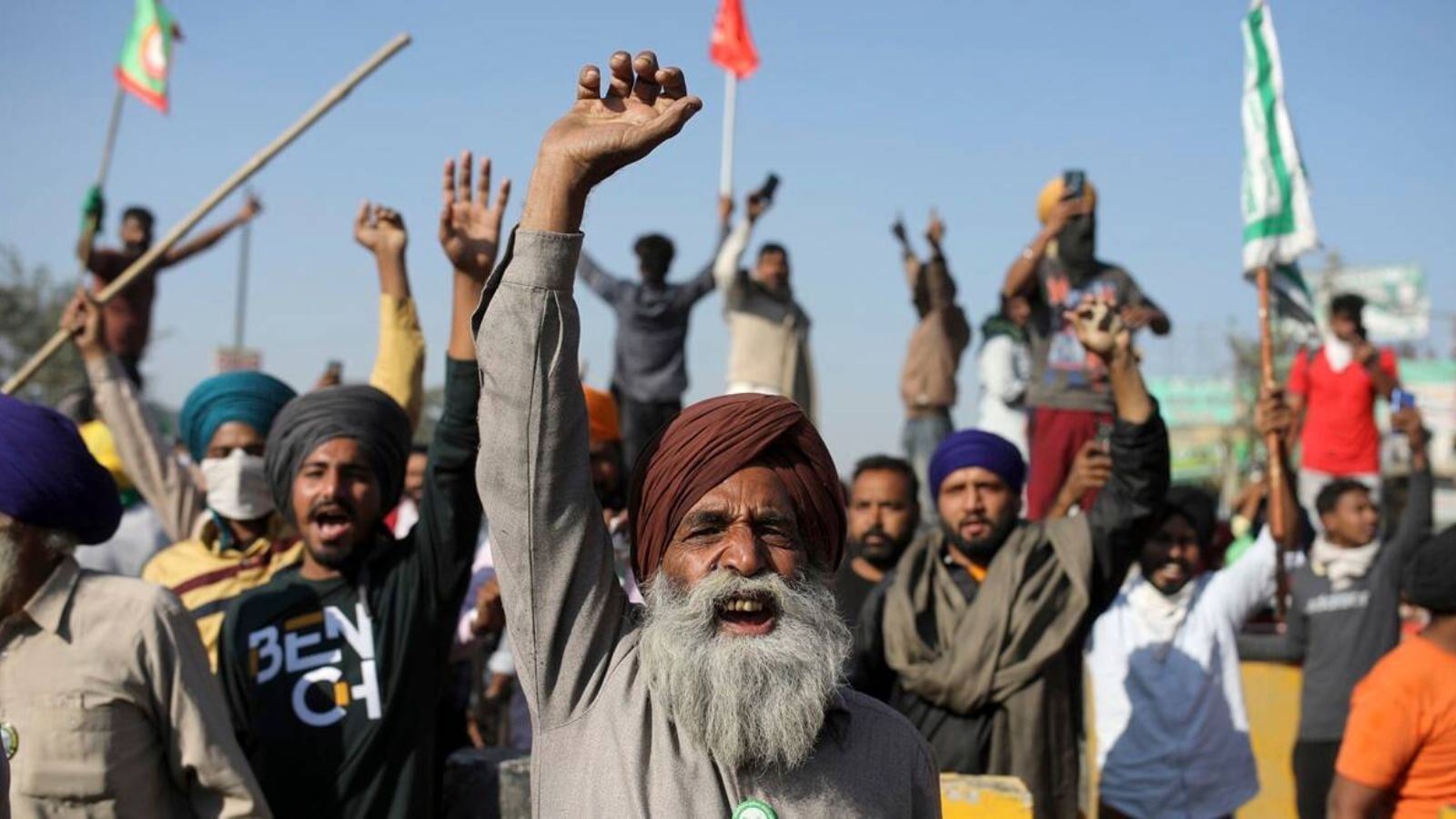
Farmer unions and opposition political parties declared plans for nationwide protests, arguing the deal would expose local agriculture to unfair competition and undermine millions of small-scale farmers. Demonstrations are expected to spread across multiple states in the coming days.
At the center of the controversy is fear that cheaper imports and relaxed trade barriers could disrupt domestic food markets, squeeze rural incomes, and increase dependence on foreign supply chains. Agricultural leaders say the agreement favors large corporations while leaving farmers vulnerable.
The unrest adds a new layer of tension to a relationship often described as a strategic partnership between the world’s two largest democracies. Analysts warn that prolonged protests could complicate economic cooperation, delay implementation of the deal, and raise questions about long-term stability in food production and trade flows.
For U.S. policymakers and businesses, the situation is a reminder that trade agreements don’t just live on paper — they can ignite political firestorms abroad with global consequences.
As protests gather momentum, one issue looms large:
Can Washington deepen trade ties with India without triggering domestic upheaval?