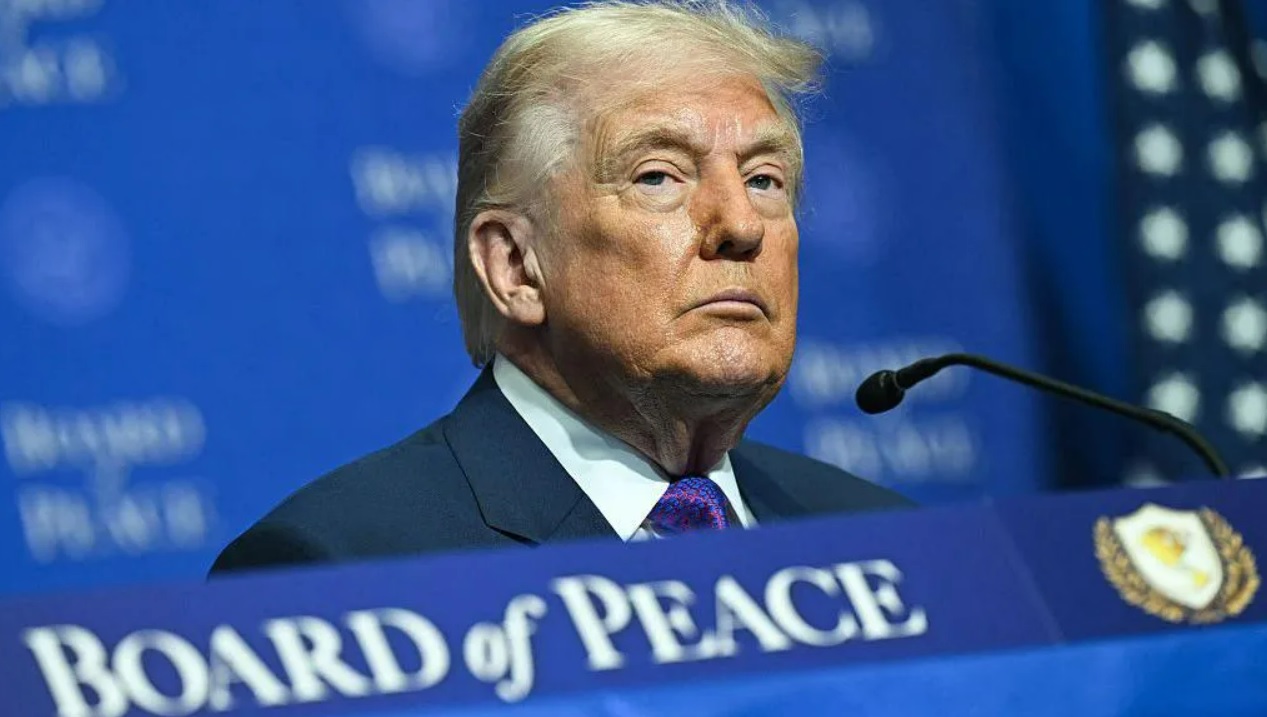
A major security report warns Washington’s new direction is unsettling allies — and redefining America’s role in the world.
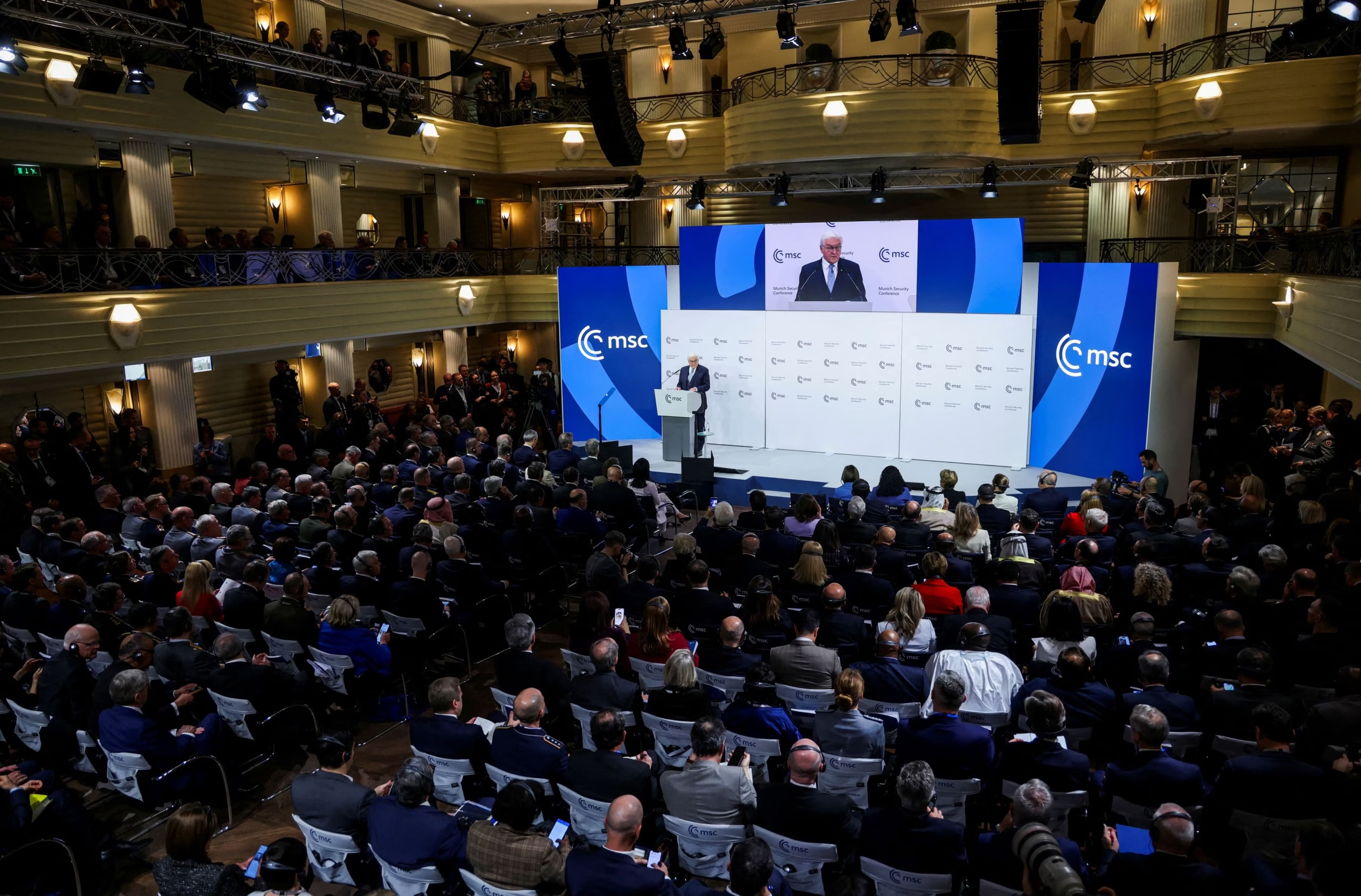
A powerful new report unveiled today at the Munich Security Conference is raising serious concerns about the future of global stability — and America’s place at its center.
According to the report, recent shifts in U.S. foreign policy under the current administration are disrupting long-standing international norms that have shaped global relations for decades. European allies, in particular, fear the changes could weaken trust, cooperation, and strategic alignment with Washington.
Security experts warn that the impact may go far beyond diplomatic tensions. Key alliances such as NATO, joint military coordination, and shared intelligence frameworks could all be affected if uncertainty around U.S. commitments continues to grow.
The report also highlights growing anxiety over how these policy changes may alter Washington’s global strategy toward Russia, China, and Iran, potentially reshaping power balances at a moment of heightened geopolitical risk.
While U.S. officials argue the new approach prioritizes national interests and strategic flexibility, critics say it may come at the cost of global influence, predictability, and allied confidence — pillars that have defined American leadership since World War II.
As world leaders gather in Munich, one question dominates private conversations:
Is the United States redefining global leadership — or stepping away from it?