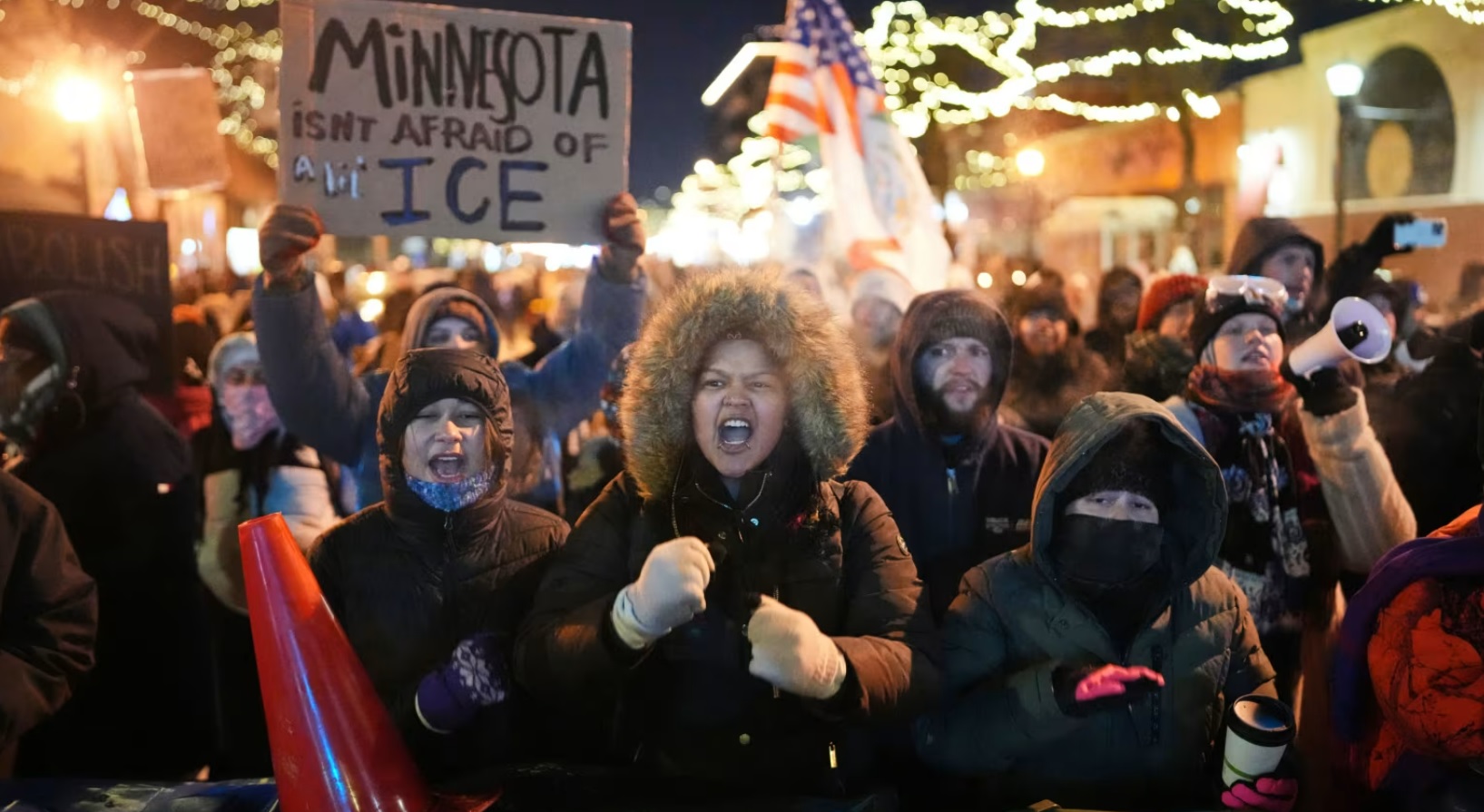
The Black Lives Matter signs that once graced front lawns across America are no longer fashionable. The best-selling anti-racism books gather dust. The armies of protesters that once poured like lava through cities chanting, “I Can’t Breathe” have disappeared.
But keep an eye on Minnesota. What’s been happening there marks the beginning of a new type of racial reckoning. It won’t have the spectacle or lofty expectations of the 2020 George Floyd protests. It could, however, have more staying power.
This claim may sound implausible. Floyd’s murder by a Minneapolis police officer sparked what some have called the largest protest movement in US history. White support for the Black Lives Matter movement reached an all-time high. Elected officials removed Confederate monuments, and former President George W. Bush, a Republican, issued a public statement asking, “How do we end systemic racism in our society?”
That reckoning, though, was more than sweeping protests. Many journalists who covered those protests, including me, defined them as a moment when White people were “forced to confront racism” and face “unpleasant truths.”
That moment failed to live up to expectations. It largely fizzled out in 2021. But some of those same dynamics from 2020 have been present this year in Minneapolis — along with something new. As the Trump administration ends its immigration enforcement surge in Minnesota, the anti-ICE protests there offer an approach for transformational change that blends old and new lessons.
And they’re built on a firmer foundation than the George Floyd protests — for three reasons.
The are obvious links between the Floyd protests and the recent demonstrations in Minnesota. Both were ignited after bystanders recorded videos of citizens dying at the hands of law enforcement. Both took place roughly in the same South Minneapolis neighborhood. Both centered on civic resistance to accusations of law enforcement brutality.
And here’s another common factor: Both forced Americans to confront lessons about racism that had been ignored or forgotten.
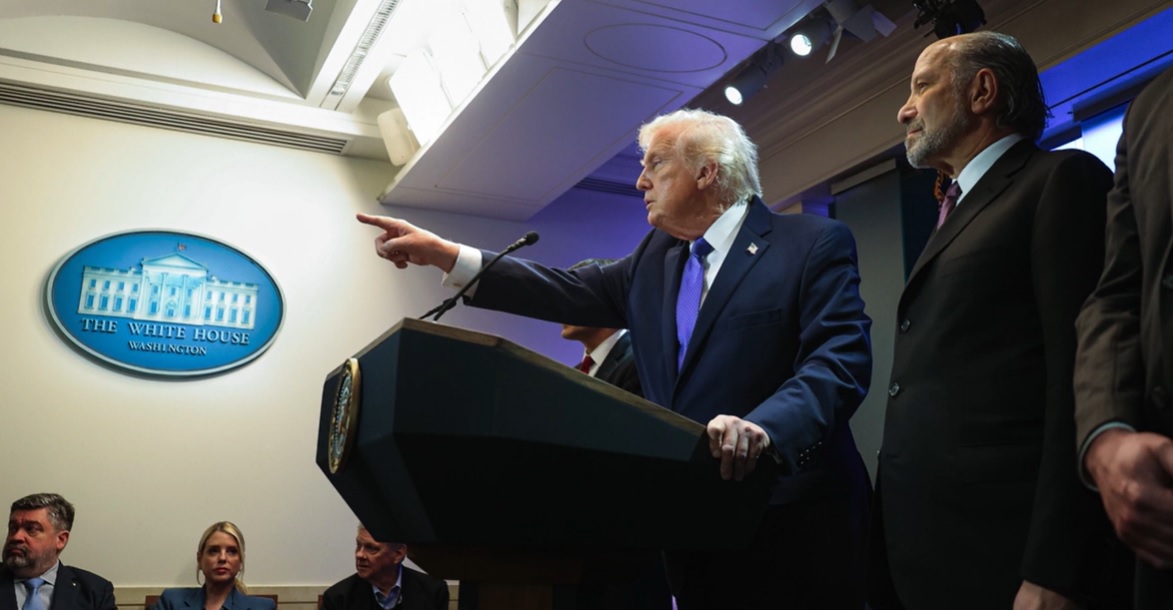
President Donald Trump has described his aggressive immigration crackdown as a way to get rid of undocumented immigrants who’ve committed serious crimes, a group administration officials describe as the “worst of the worst.” But the events in Minneapolis have forced many White Americans to confront another possibility: Excluding racial and ethnic minorities is central to President Donald Trump’s immigration policies.
Trump has pushed to end birthright citizenship, the constitutional guarantee of citizenship to any child born on US soil, regardless of their parents’ immigration status — a change that would disproportionately impact people from Asian and Latin American countries.
He’s also banned travel to the US from many majority-Black countries while fast-tracking the resettling of White Afrikaners from South Africa. He recently said, “Somalia stinks and we don’t want them in our country,” but has openly wished more “nice people” would emigrate to the US from Norway, Sweden and Denmark.
The Trump administration says it dispatched federal agents to Minneapolis and St. Paul in part to target allegations of welfare fraud by undocumented Somali immigrants as well as rapists and pedophiles. But its operations have also been accused of sweeping up brown and Black US citizens, along with legal Somalis.
“There is nothing legal that can protect you from White supremacy and the racism that seems to be the compass for this operation,” Danez Smith, a Minneapolis resident who said they have a green card.
After last month’s fatal shootings of Renee Good and Alex Pretti, there’s evidence that the actions of some federal agents in Minnesota have changed the way many Americans see the immigration crackdown.
Polls show the events in Minneapolis are shifting public opinion against Trump on what was his strongest issue: immigration. No wonder CNN’s Stephen Collinson recently concluded that the administration’s crackdown in Minnesota “has gone far beyond undocumented immigrants” and led to something else: “A national reckoning.”