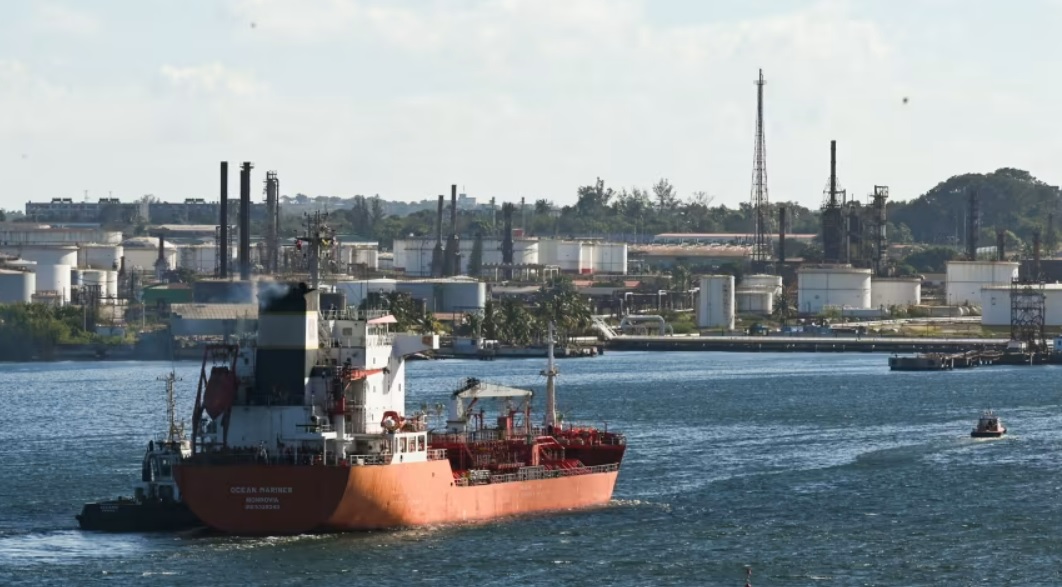
The decades-long US economic embargo on Cuba has been ramped up like never before: US President Donald Trump has threatened tariffs on any nation which sends oil to the stricken island.
None of Cuba’s traditional allies – whether Mexico, Russia, China, Vietnam or Iran – have stepped up to fill the void left by Venezuela, although the US Treasury this week said it would relax restrictions on a limited number of oil sales, to “support the Cuban people for commercial and humanitarian use.”
The move comes amid rising tensions between Washington and Havana. Cuba’s government has reported that its border guards fatally shot four people travelling in a US‑registered speedboat. It said the individuals were Cuban nationals living in the United States.
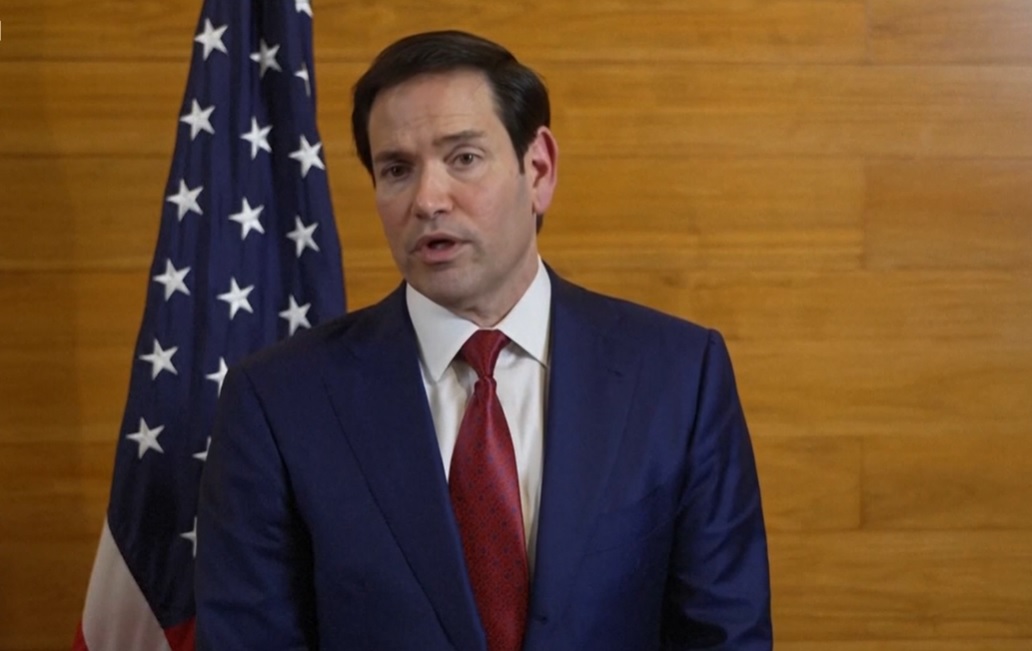
US Secretary of State Marco Rubio said the US was investigating the “highly unusual” incident.
“Washington’s old playbook on Cuba doesn’t apply anymore and whoever hasn’t appreciated that yet is in for a shock,” says Cuban economist, Ricardo Torres. “Trump is changing the rules of the game.”
Trump has declared that “Cuba is ready to fall”, intensifying pressure on the island at its most vulnerable moment since the Cold War. Some commentators have said one of the aims of Washington’s removal of Maduro in Venezuela was to deepen Cuba’s economic crisis. It appears the Trump administration hopes to weaken the revolution – possibly terminally – and push for the collapse of state-run socialism on the island.
The underlying calculation is straightforward: that a worsening internal crisis could create the conditions for the Cuban Revolution to unravel from within. What remains far less certain is whether such a strategy will force regime change, or whether the communist-run Cuban government will, as it has in past crises, find new ways to endure.
The effects of the fuel crisis are being felt the length and breadth of Cuba.
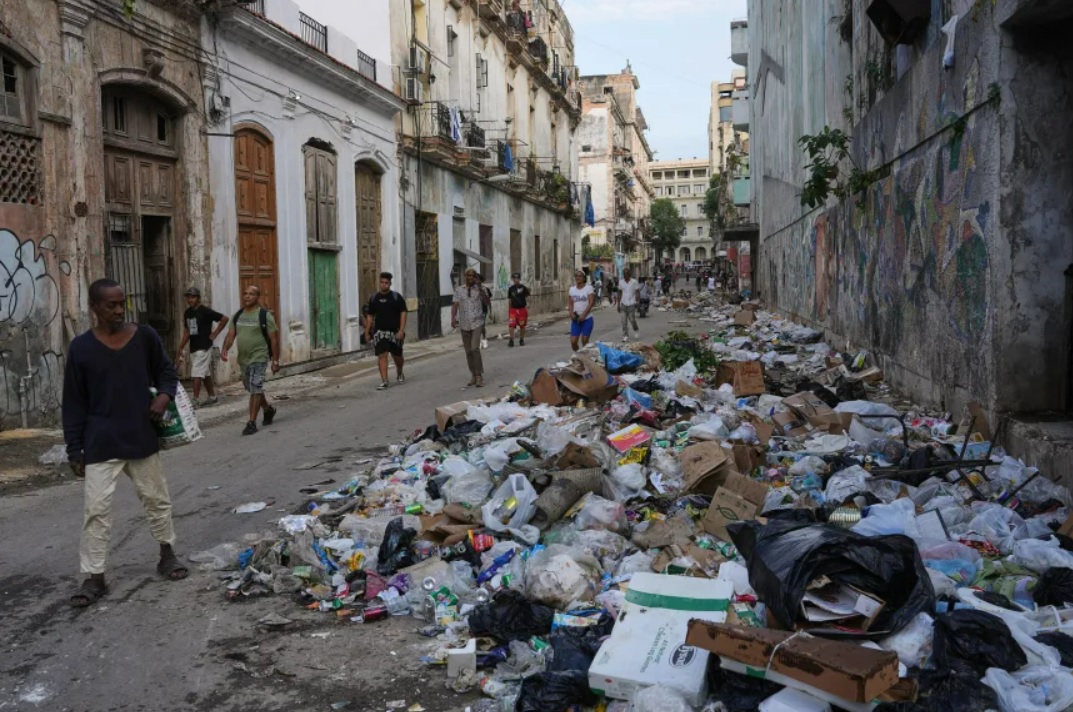
Blackouts in Havana can last for 15 hours a day or more. Hospitals are in darkness with only emergency cases being admitted. Schools are often shuttered. Rubbish is piled high on street corners with no fuel for the state’s garbage trucks to collect it. Scrawny and elderly residents can often be found sifting through the discarded waste.
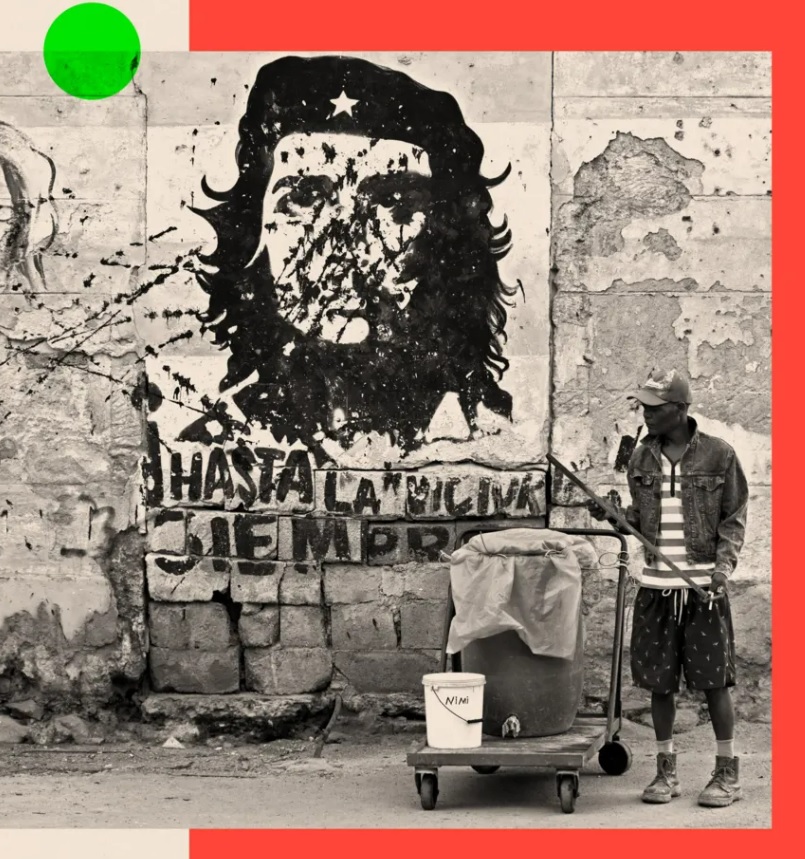
For an island proud of the social safety net it built for its people since 1959 – universal healthcare, the eradication of illiteracy, tackling infant mortality rates and preventable diseases – the picture is bleak, and getting worse.
One constant question since Maduro’s arrest is: how long can Cuba hold on without new fuel supplies reaching the island?
Having spent years listening to Cubans repeat anodyne revolutionary slogans when asked for their opinions on camera, it’s disarming to hear such frank views expressed with no outward fear of the repercussions. Such is the level of disgust and exhaustion, the public’s fear of reprisals for speaking out is beginning to evaporate.
After decades of enmity, in 2014 President Barack Obama opted to re-establish ties with the island in a historic but short-lived thaw. Hardliners in the Cuban government warned that Obama’s overtures amounted to the same aim of regime change dressed up in nicer clothing. For the ordinary Cubans who lived through it, though, the diplomatic reset felt like the polar opposite of the current Trump approach.
Next month marks the tenth anniversary of Obama’s visit to Havana as the first sitting US president to step foot on the island in almost a century.
In front of the Cuban leader, Raúl Castro, he delivered an extraordinary address – broadcast live on state television – in which he said he had come to “bury the last remnant of the Cold War in the Americas” and “extend the hand of friendship to the Cuban people”.
The man who oversaw the diplomatic thaw was the then-US ambassador to Cuba, Jeffrey DeLaurentis.
Venezuela’s oil support was worth some 35,000 barrels of crude a day to Cuba. There have been some broad indications that Russia might send oil to the island and the Cuban foreign minister, Bruno Rodríguez, was recently in Moscow for talks with his Russian counterpart and with Russian President Vladimir Putin. So far, though, no Russian fuel tankers have docked in Cuban ports.
Rodríguez also travelled to China, Vietnam and Spain trying to drum up support.
As to what Trump specifically wants in Cuba, the former lead US diplomat on the island says the administration is “trying to take coercive steps to bring the government to the table or capitulate but not necessarily collapse”.
“That’s a pretty risky strategy it seems to me, with a lot of potential for unintended consequences,” he adds.
Those consequences are already visible in the rapidly worsening humanitarian crisis which prompted Mexico to send tonnes of emergency aid to Cuba, including powdered milk and personal hygiene items. They’re already being felt every day by the families forced to cook with firewood and the drivers in urgent need of petrol.