Four years of war in Ukraine has brought seismic evolution to the world – to the nature of warfare, the balance of global powers, and to European security.
For Ukraine, the war has been a curse – a curse to survive and adapt long enough to spare Europe’s borders from Russia’s forces and absolve its allies from springing into greater action.
Kyiv is paying the price of the upheaval with constant churn and relentless loss, Ukrainians told me. “Some of us are still positive, but just because there is no other option,” texted a military intelligence officer.
It is the Ukrainians in this fight who wish most urgently the war would really end tomorrow. It is a cruel paradox: Many in the West also wish the war would stop, because of its cost to their defense budgets and heating bills. Yet it is the West’s lack of spending – of material support for Kyiv – that has condemned Ukraine to fight on.
Europe’s is a false economy, spending less now, but risking spending far more if the conflict spreads in the future.
Were Ukraine’s front lines to collapse and Kyiv to fall, Moscow by most Western estimates would soon move to NATO’s borders. Yet that threat does not panic Europe into wholesale action. The first three years of big-dollar American support only went so far and is now over. But the war is not, and more anniversaries likely lie ahead. A full four years in, Russian President Vladimir Putin’s display of ruthlessness and determination seems to have left Europe more convinced that he might just one day stop seeking to occupy foreign lands, rather than less.
Oddly, exhaustion – that of Russian budgets and manpower – is both what the West hopes will end the war and the emotion through which it often sees it. Yet, as each year passes, the war has brought radical change globally.
This disruption is relentless, and can be hard to catalogue, but let us begin with diplomacy. US President Donald Trump’s dismissal of decades of norms in negotiation – the over-laden formats of red lines and agendas, that for decades have been the mechanisms of how peace begins – marked a new, disruptive approach. It should be judged not by how much it eviscerated the established order, but by results alone.
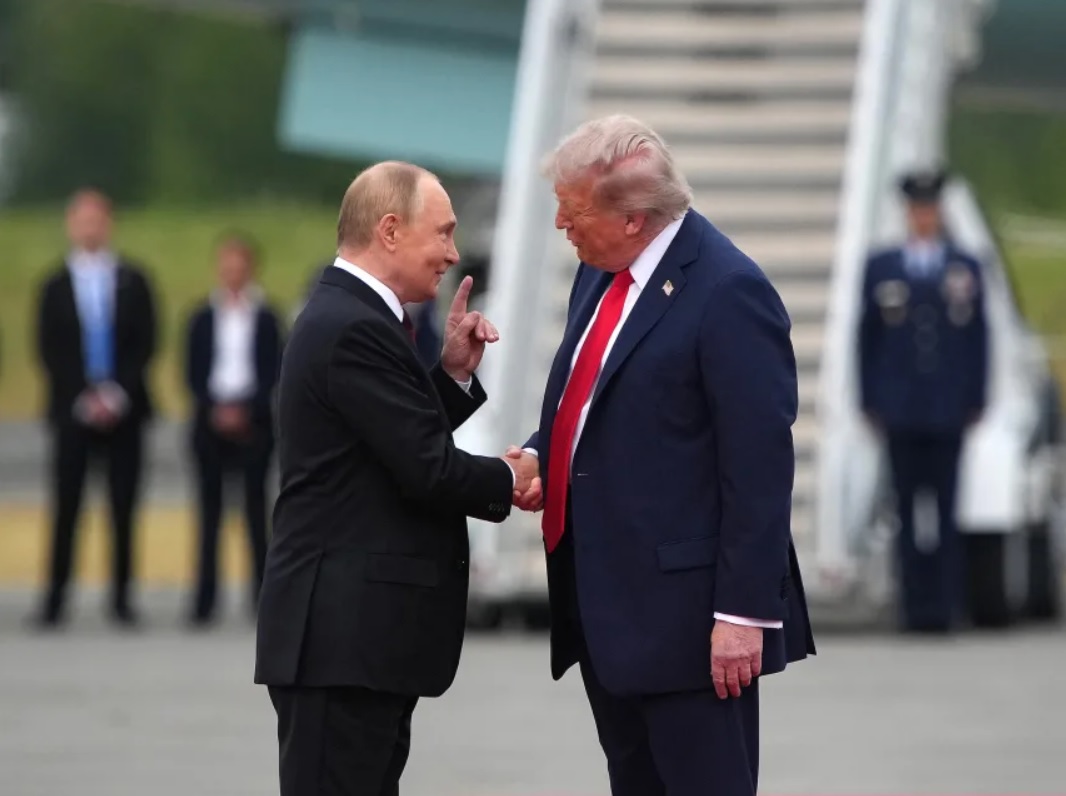
And at present, those results are scant. A red carpet for Putin, who faces a war crimes indictment, in Alaska. Some tough sanctions on Russian oil. Two patchy, short ceasefires limited to energy infrastructure. Emotional rollercoasters for baffled European allies. And the persistent drumbeat of threats against Kyiv if it does not compromise. But no peace in 24 hours, as Trump once boasted – or in 100 days, or even in a year.
Trump’s Secretary of State Marco Rubio even admitted at this month’s Munich Security Conference that the US does not know if Russia really wants peace.
But no new repercussions for Moscow appear imminent, even as the latest trilateral talks in Geneva ended after two hours with no public progress. The loop of new venues, formats, agendas and personae for peace talks seems infinite.
The global balance of power meanwhile has been distorted, with the US stepping back from the obligations of supremacy.
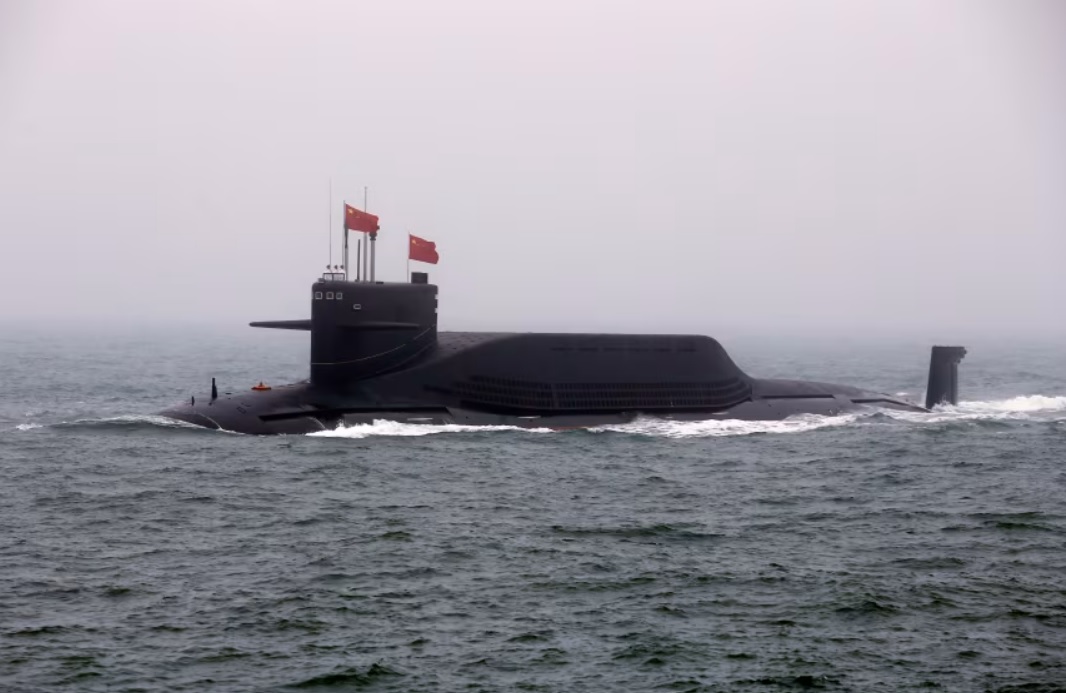
World powers pursue their own agenda in Ukraine. China has held back from providing enough military support to guarantee Russia’s victory. But it buys enough oil and sells enough dual-use drone equipment to keep Russia afloat, as Moscow slowly becomes the junior partner in the relationship. India, for decades the Americans’ Asian ally of choice, has bankrolled Moscow for years, buying cheap oil, and may only be slowing because of a larger trade deal with the US.
Europe has been all but abandoned by Trump to plot its own course, dismissed as nearing “civilisational erasure” recently by Rubio. The US is moving from global supremacy to a new era where its goals are reduced and local, and its allies chosen around myopic prejudices and ideological compatibility. The White House’s National Security Strategy refers to “other great powers separated by vast oceans” – likely China, India and Russia – a gentle shorthand for the demise of American global reach and dominance.