As the United States continues a significant military buildup in the Middle East, Iran has taken steps to signal its readiness for war, including fortifying its nuclear sites and rebuilding missile production facilities.
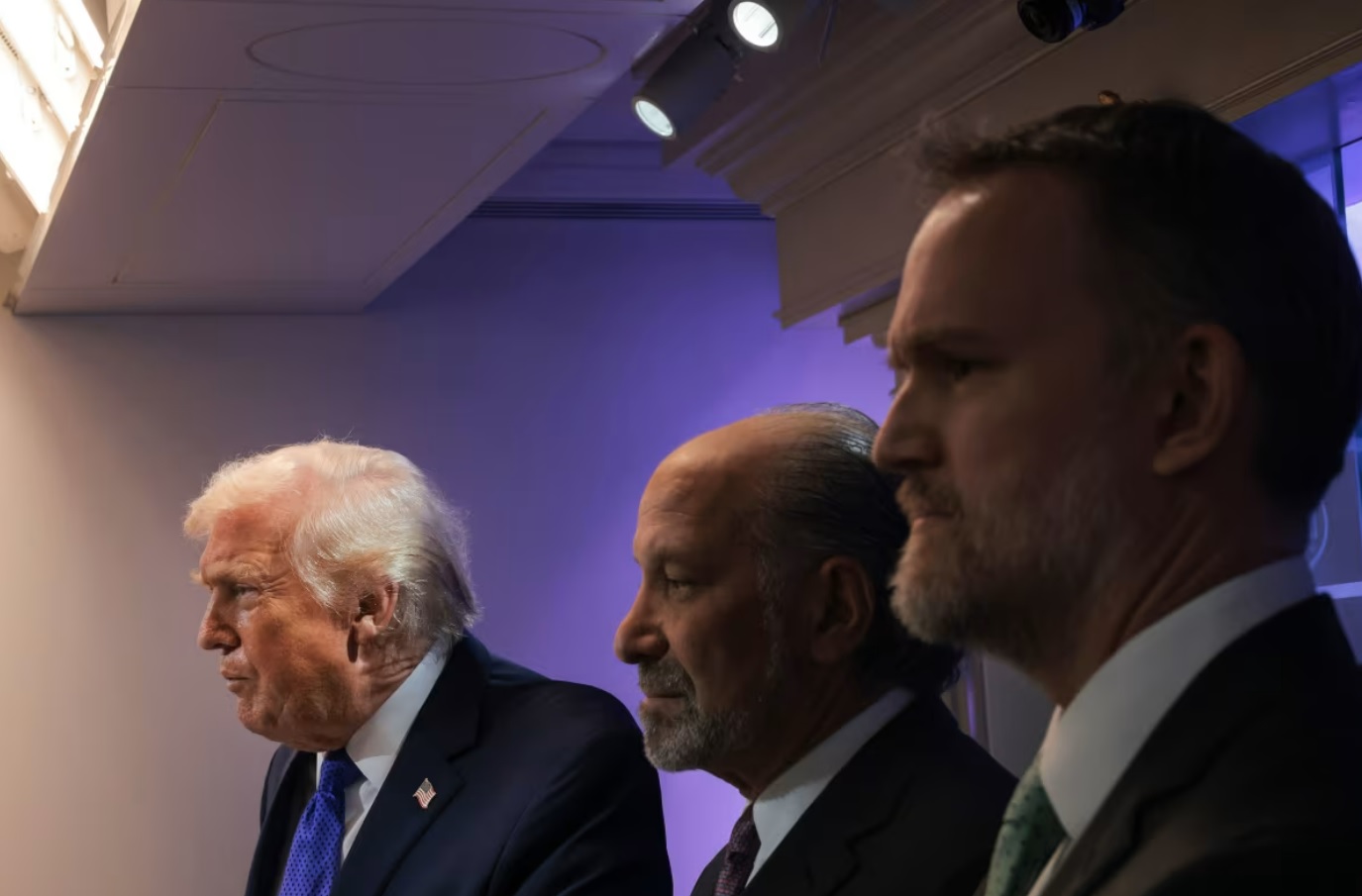
Iranian and US negotiators held indirect talks in Geneva for three-and-a-half hours on Tuesday, but it ended with no clear resolution. Iran’s top diplomat Abbas Araghchi said both sides agreed on a set of “guiding principles,” but US Vice President JD Vance said the Iranians had not acknowledged “red lines” set by US President Donald Trump.
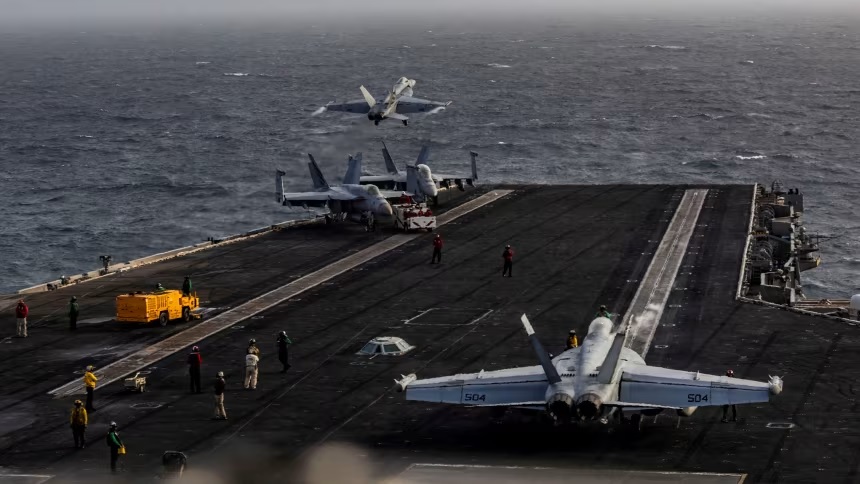
Despite ongoing talks, the White House has been briefed that the US military could be ready for an attack by the weekend, after a buildup in recent days of air and naval assets in the Middle East, sources familiar with the matter told CNN.
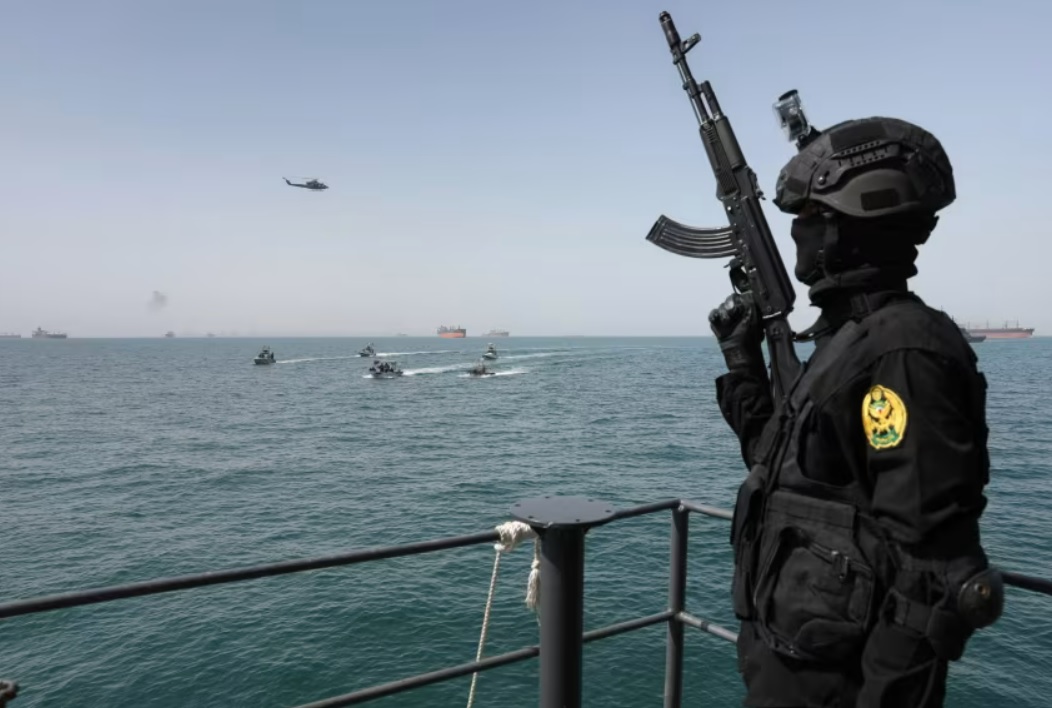
Amid the threat of war, Iran has spent recent months repairing key missile facilities and heavily damaged air bases while further concealing its nuclear program. It has appointed war veterans to its national security structures, conducted maritime wargames in the Persian Gulf and launched an intense crackdown on domestic dissent.
In June last year, Israel launched a surprise attack on Iran that destroyed parts of its nuclear program, severely damaged missile production sites and killed key military commanders. Over the ensuing 12-day conflict, Iran retaliated by launching hundreds of missiles and drones at Israeli cities, while the US struck three Iranian nuclear sites – with US President Donald Trump claiming they had been “totally obliterated.”
Western nations have consistently failed to persuade Iran to curb its missile program, which Tehran regards as a central pillar of its military strength and a right to its self-defense.
Despite suffering heavy losses in the war with Israel, satellite imagery analysis reveals that Iran has rebuilt damaged missile facilities.
Satellite imagery of the Imam Ali Missile Base in Khorramabad, captured on January 5, shows that of the dozen structures destroyed by Israel, three have been rebuilt, one has been repaired while three others are currently under construction. The facility houses silo launch sites critical for firing ballistic missiles with earthwork and construction around them.
Despite expressing flexibility in limiting its nuclear program, Iran is rapidly fortifying several of its nuclear facilities, using concrete and large amounts of soil to bury key sites, according to new satellite imagery and analysis from the Institute for Science and International Security (ISIS).
High-resolution satellite imagery from February 10, 2026, analyzed by ISIS, shows Iran continuing to harden tunnel entrances at the underground complex carved into Pickaxe Mountain near Natanz. Fresh concrete is visible at both the western and eastern entrances, increasing protection that could help shield the facility from potential airstrikes, alongside trucks and other construction equipment at the site.
At a nuclear facility known as ‘Taleghan 2’ at the Parchin military complex southeast of Tehran, satellite images published this week show that Iran has completed a concrete sarcophagus around the site and is now covering it with soil, according to the Washington-based institute that focuses on nuclear nonproliferation.
“The facility may soon become a fully unrecognizable bunker, providing significant protection from aerial strikes,” ISIS president David Albright warned in a post on X.
At the 7th of Tir Industrial Complex near Isfahan in central Iran, which is linked to producing centrifuge parts for uranium enrichment, damaged structures have been rebuilt, according to CNN-reviewed image analysis. The complex was sanctioned by the UN in October 2025.
This month, the US deployed two aircraft carriers to the region, and one of them shot down an Iranian drone that as it aggressively approached it in the Arabian Sea. And earlier, two gunboats operated by the IRGC approached a US-flagged tanker in the Strait of Hormuz and threatened to board and seize the ship, according to a US military spokesman.
Amid the US military buildup and Iran’s wartime preparations, experts say Iranian officials are trying to send a message to the US.