Long before any candidates have announced, the 2028 Democratic presidential race will take a crucial step forward this weekend.
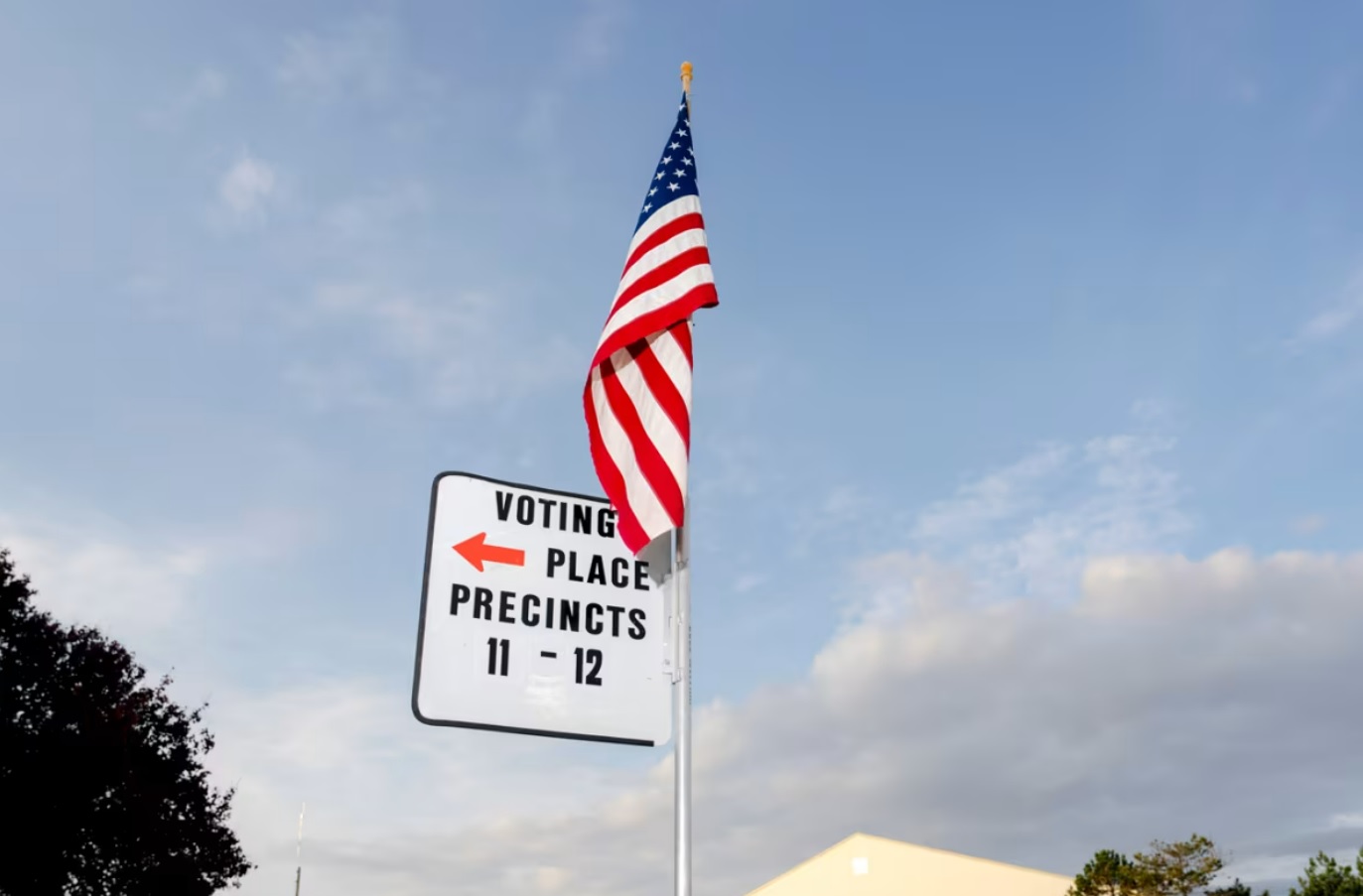
The Democratic National Committee’s Rules and Bylaws Committee is meeting in Puerto Rico Saturday to begin the process of deciding which states will lead off the party’s 2028 primary calendar. Final decisions are likely later this year.
The sequencing of the first states on the calendar has always powerfully shaped the race and greatly influenced which candidates emerge as serious contenders. But this year, those involved in the process say the decision feels both more unpredictable and consequential than usual.
After decades when Iowa and New Hampshire were locked in stone as the initial tests, and a single cycle when South Carolina moved to the head of the line, there’s no consensus now about which state should vote first. Nor is there any single party leader with the clout to dictate a plan.
“We are going to start with the premise this is wide open,” said Donna Brazile, a longtime party strategist and rules committee member. “There are no early favorites. We know what has worked in the past, but we have to find out what will work in the future.”
The decision is more consequential because with President Donald Trump posing such an existential threat to everything Democrats value, party leaders feel enormous pressure to devise a nominating system that maximizes their chance of producing an electable nominee in 2028. “We will all be feeling the weight,” said Democratic strategist Maria Cardona, a rules committee member and CNN contributor.
Several sources told me that despite the high stakes, the process is unfolding with little lobbying or input from potential 2028 candidates. A senior adviser to one of the likely 2028 candidates, who asked to remain anonymous while discussing the private maneuvering, said the committee’s deliberations are “little bit of a black box” to outsiders. Even new DNC Chair Ken Martin, as a former longtime member of the committee, is not trying to tilt the result, several sources said.
To an unusual extent, it appears the interactions among the committee members themselves over the months ahead, more than any outside pressure, will determine these crucial decisions.